
The Cost of Chasing Greatness
How going viral and being forced to retire from professional hockey changed the way I think about performance.
By Michal Mrazik. Edited by Allen Lee.
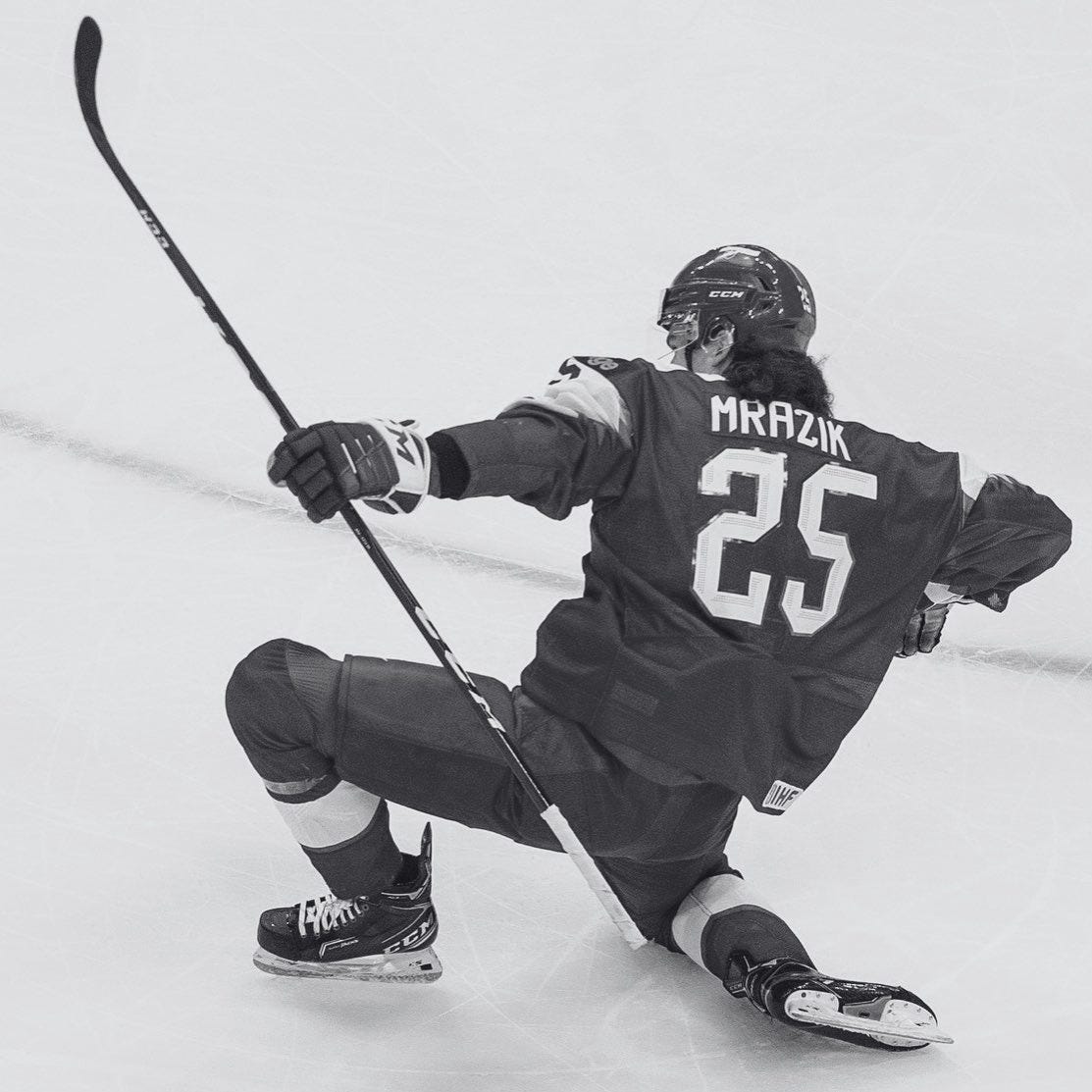
Seen by Millions, Known by None
For most of my life, I thought hockey would be the reason people remembered my name.
Not because I wanted fame. But because everything I did revolved around becoming the best hockey player I could possibly become.
Then one day, the internet decided something else about me mattered more.
I still remember that evening after practice. I thought something was wrong with my phone.
It wouldn’t stop buzzing.
Tons of Instagram notifications. New followers every time I refreshed the screen. First it was a few hundred. Then thousands. Then tens of thousands.
I remember staring at my phone thinking, is Instagram broken?
It took me a few days to figure out what had happened. Someone had dug up an interview I had done after the World Junior Championship, clipped thirty seconds of it, and posted it online. And the internet did what the internet does.
I actually didn’t score the game-winning goal or do anything spectacular in that game. I was simply answering a reporter’s questions after a game, the same way I had done dozens of times before. A camera happened to catch my face at an angle millions of people liked.
That’s it… I went viral because of the way I looked.

Almost overnight, strangers from every corner of the world felt like they knew me. Thousands of people confidently explained who I was without knowing a single thing about me. Some made edits with dramatic music. Others posted reaction videos. Even memes. Suddenly, I wasn’t just a hockey player.
But the strangest part wasn’t that people found me attractive. It was that the thing I had spent almost twenty years building suddenly became invisible.
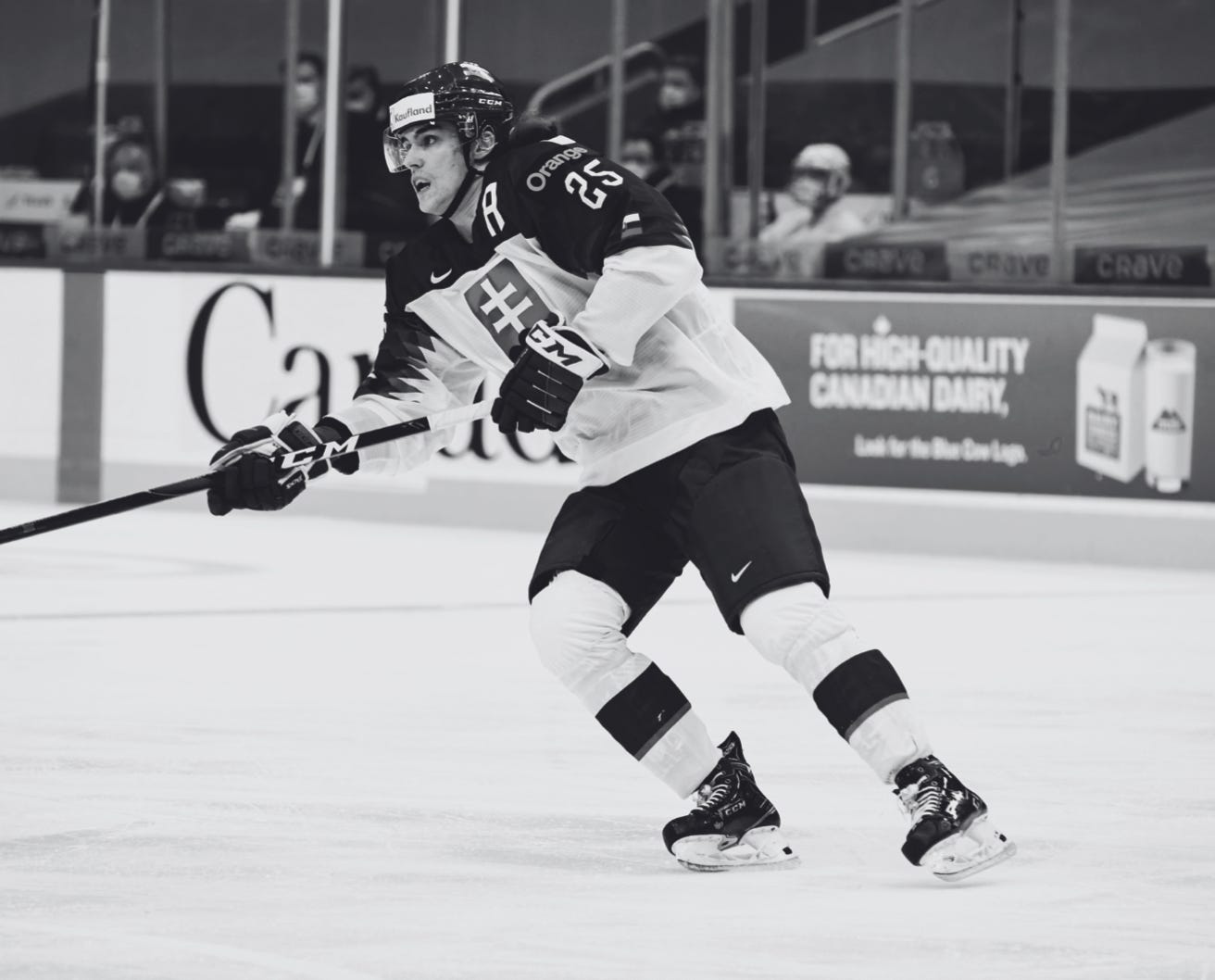
Nobody cared about the years I spent chasing the NHL dream. Or that I had represented Slovakia at the World Championships. Or the early mornings, the bus rides, the injuries, the rehab, the sacrifices my family made so I could keep playing the game I love.
Twenty years of work disappeared behind thirty seconds of video. And those thirty seconds became my introduction to the world.
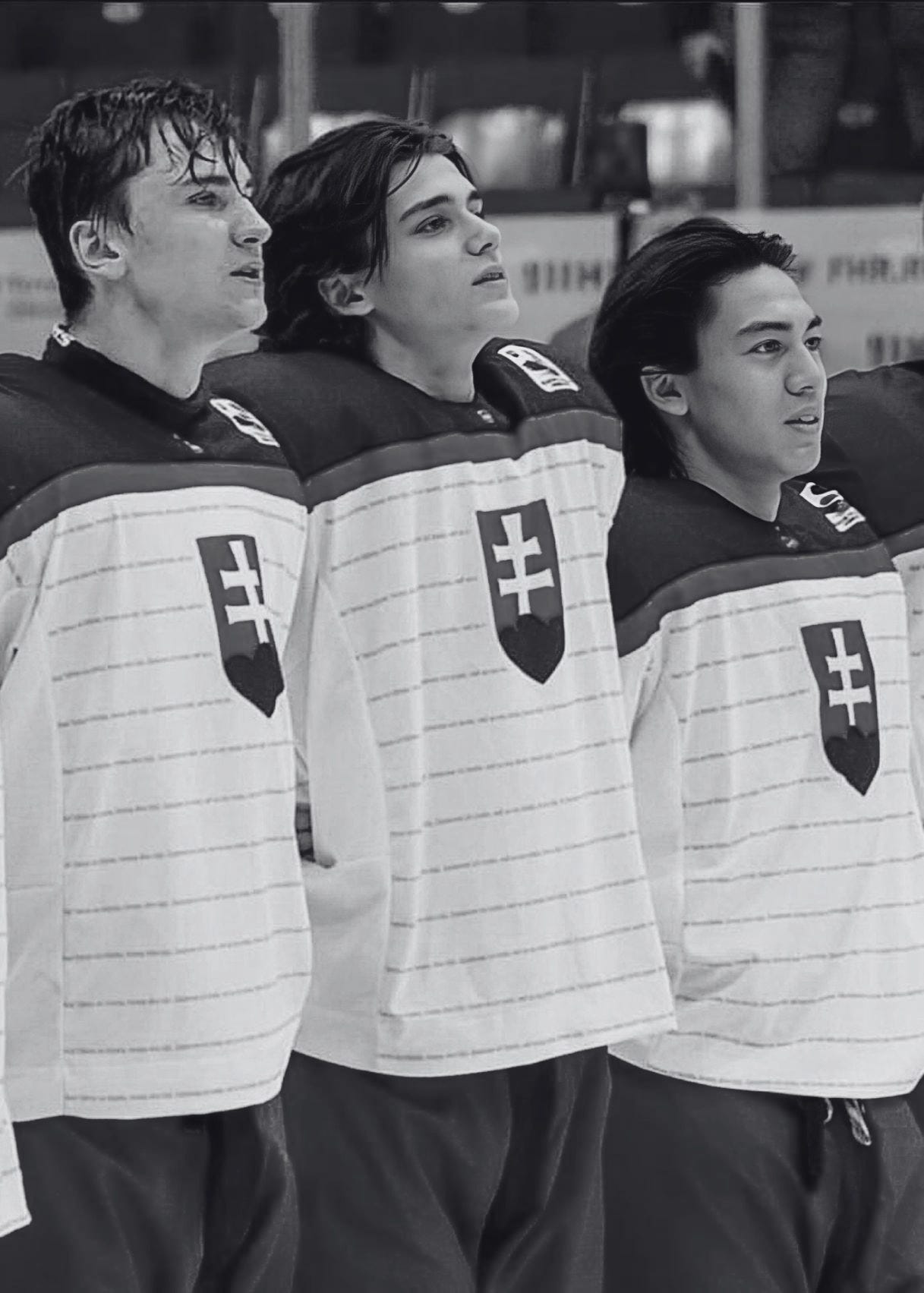
In some ways, it opened doors. I met incredible people, had conversations I never would have had otherwise, and connected with people far beyond the hockey world. For that, I’m genuinely grateful.
But attention has a cost people rarely talk about.
Overnight, my identity stopped feeling like it belonged to me.
People recognized me in places I had used to go. Some filmed me before saying hello. Some took photos without asking. My parents started getting questions from complete strangers. Random numbers started calling my phone. Over time, my inbox became this strange mix of kindness, curiosity, opportunities, and people projecting an entire identity onto someone they’d only seen for a few seconds online.
Then there were the comments. Some were kind. Some were funny. Some reduced everything I had worked for to four words.
“Just a pretty face.”
It’s strange how a sentence from someone you’ll never meet can stay with you longer than a compliment from someone you love.
Not because I believed it. I didn’t. But because it reminded me how quickly people mistake what they can see for who you are. And it’s not their fault. Thirty seconds isn’t enough time to know anyone.
Dealing with all that attention made me realize something. Athletes talk about physical toughness constantly - how to take a hit, play through pain, compete on little to no sleep. But nobody trains you for the mental part of professional sports. Millions of strangers could praise you, criticize you, laugh at you before you’ve even said a word to them. There’s no coach or playbook for that kind of stuff.
On every team I played for, the guys who handled attention best weren’t the most physically talented ones. They were the ones with something steady underneath it all - a workout routine, a sleep schedule, a recovery regimen, a diet, and most importantly, a relationship with their mind that didn’t shift depending on what people said about them that day. I didn’t have a name for what that was. I just knew, watching them, that I wanted whatever they had.
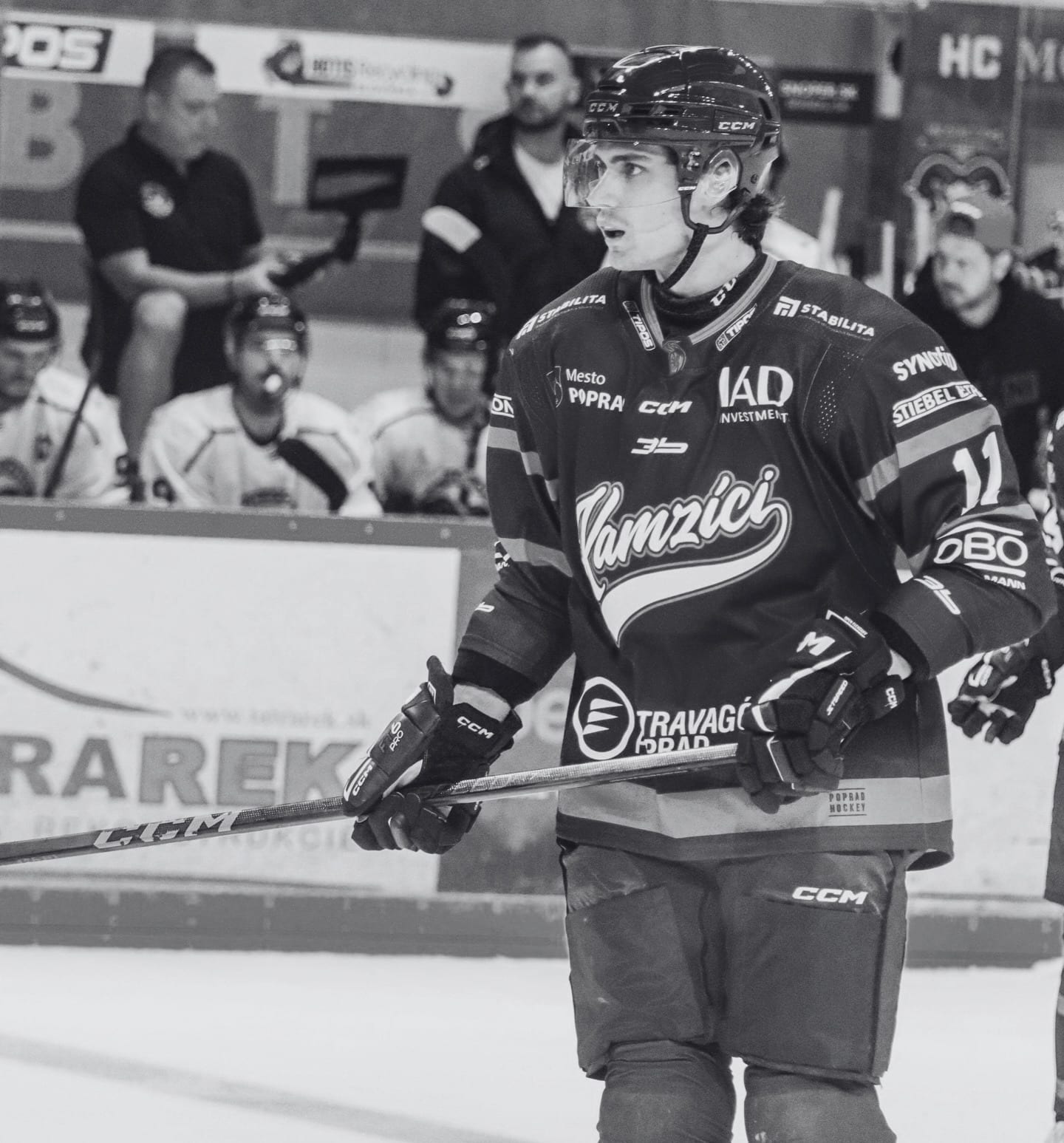
Retired At Twenty Three
Monday, October 2nd, 2023. Hartford.
I flew to New York five months into the hardest training block of my life, chasing one more shot at an NHL contract with the Rangers.
This was my chance.
First day of camp, I fell into the boards. A player about my size fell right behind me, knees first, straight into my lower back.
A few hours later, I was lying in a hotel room, barely able to move.
Dislocated coccyx. Multiple herniated discs.
Just like that, my first real shot at the NHL ended during the first period of my first practice.
By the end of the week, they sent me down to the ECHL in Cincinnati. I played three games in three days, barely able to stand upright. I did what I had been taught to do my entire career - push through the pain and don’t complain about it.
Looking back, I shouldn’t have. But I didn’t know how to do it any other way. Pain was just the cost of playing. So I kept training. Kept playing. Kept telling myself I’ll get through it.
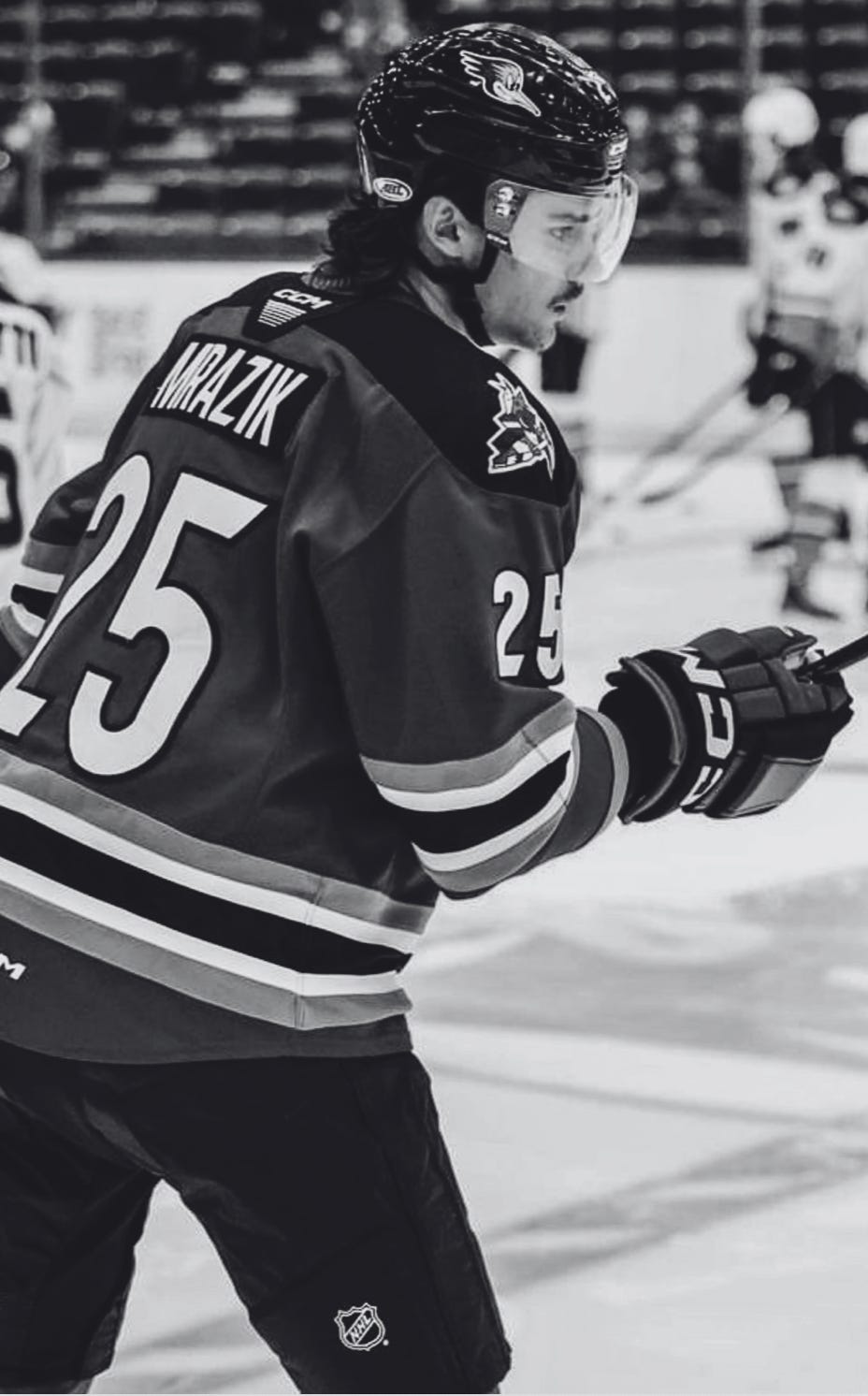
In the fall of 2024, the pain came back. This time, it wasn’t something I could skate through.
I flew to Prague, then Vienna, then Paris, then London, looking for one doctor who’d tell me something different than the last one.
Nobody did.
Finally in London, I got a definitive answer. The only option left was a surgery that carried a real risk of leaving me in a wheelchair. And even if it went perfectly, my hockey career was over.
I was twenty three years old.
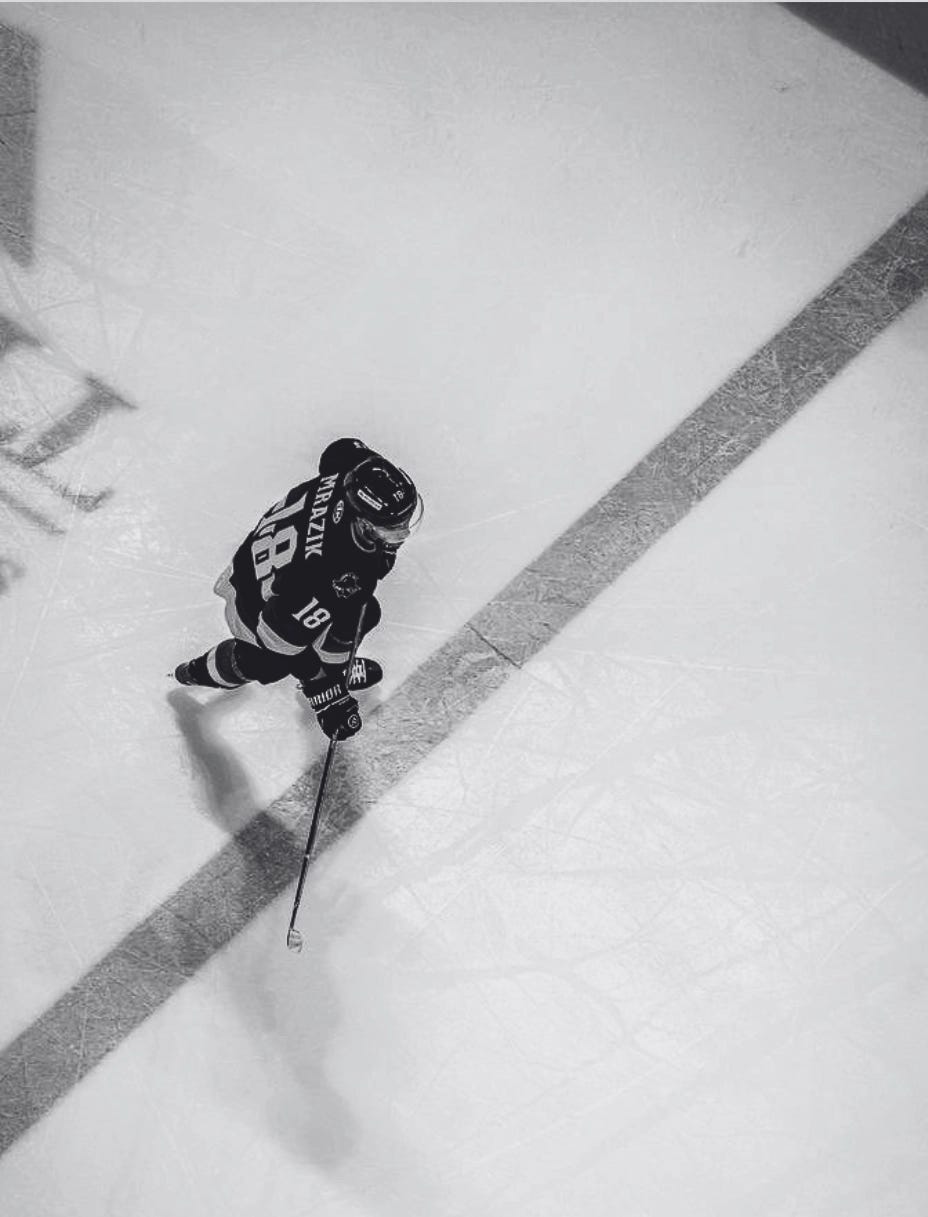
I wrote my retirement announcement on the four-hour train ride home. I cried the entire way.
For almost twenty years, I had asked my body to carry my biggest dream. I trained it relentlessly. Pushed it past its limits, season after season. Expected more from it every single year, and never once asked if it had more left to give.
Somewhere in there, I stopped seeing my body as something I was responsible for, and started treating it like something that simply had to keep producing.
That’s when I realized that most support systems for elite performers, athletes or otherwise, are built to manage output, not protect the person producing it. People obsess over performance. They rarely ask what it costs you, in your body or your mind, until something breaks badly enough to notice.
My mom always told me nobody cares about your health more than you do. I used to think that was just something moms say.
After Hartford, I finally knew what she meant. And I knew exactly how expensive it is to learn that lesson at twenty three years old.
What Now?
After I retired, people kept asking me the same question: what now?
For a long time, I didn’t have an answer. But I couldn’t stop thinking about one thing: how do you sustain performance at the highest level without it costing you everything else?
At first, I thought what happened to me belonged to professional sports. Then I started meeting founders, artists, actors, investors, musicians, creators. People operating at the top of their fields.
On paper, their lives looked nothing like mine. But underneath, they felt familiar in a way.
I met a founder who hadn’t slept more than five hours a night in years because there was always another urgent problem to solve. An actor who admitted he’d stopped taking care of himself because there was “no time” between projects. A creator who tracked every little detail about his content but couldn’t remember the last time he had a full night of uninterrupted sleep.
People admired them for their output. Almost nobody asked what it was costing them.
I recognized the pattern immediately because I’d lived it too.
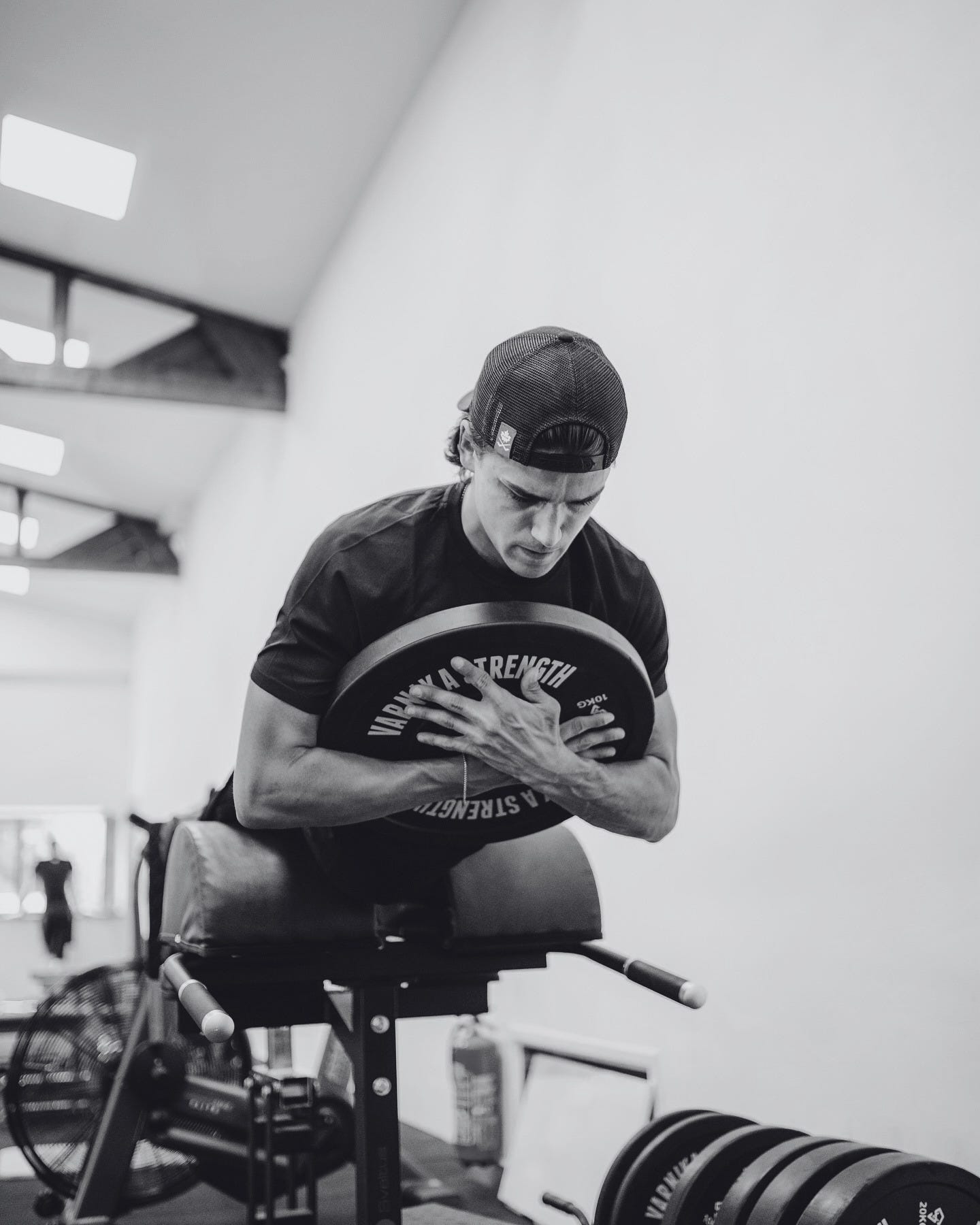
Everyone wants elite performance. Almost nobody builds a system to sustain it. It’s never just physical. It’s never just mental, either. It’s both. I don’t think I really understood that until I’d already lost the chance to apply it to my own career.
I can’t stop wondering what my own career might have looked like if someone had helped me understand that sooner. Whether Hartford happens the same way if I’d known then what I only know now.
What frustrates me about a lot of the wellness world today is how much of it sells fragments and calls it a solution. A cold plunge here, a supplement stack there, a morning routine borrowed from a successful businessman with no connection to how you actually sleep, train, or think.
So that’s the space I’m building in now. Not another supplement. Or another app that spits out a generic plan. Something closer to what the Greeks understood a long time before wellness became an industry - that the body and the mind were never meant to be trained separately. The kind of system I wish someone had offered me before I went pro.
I don’t have all of it figured out yet. What I do have is a question I can’t put down, and a growing list of people telling me I’m not the only one thinking about this.
I believe the next generation of elite performers won’t win because they push themselves harder. They’ll win because they learn how to last longer.
That’s what I’m trying to build.
I don’t know exactly what it’ll become yet. But for the first time since I was a little kid chasing the NHL, I’m waking up every day chasing something that feels just as important.
M.M.

Michal Mrázik is a former professional ice hockey player who represented Slovakia at the World Championships and played across the Slovak Extraliga, AHL, and ECHL. He's the author of Life Doesn't End Here, and is currently building a performance system for elite performers across sports, entertainment, and business. To keep up with Michal, follow him on LinkedIn and Instagram.
Check out more stories here:


