
Finding the Silver Lining
Last name Silva but HiaFan's going for Gold.
By Isa Silva
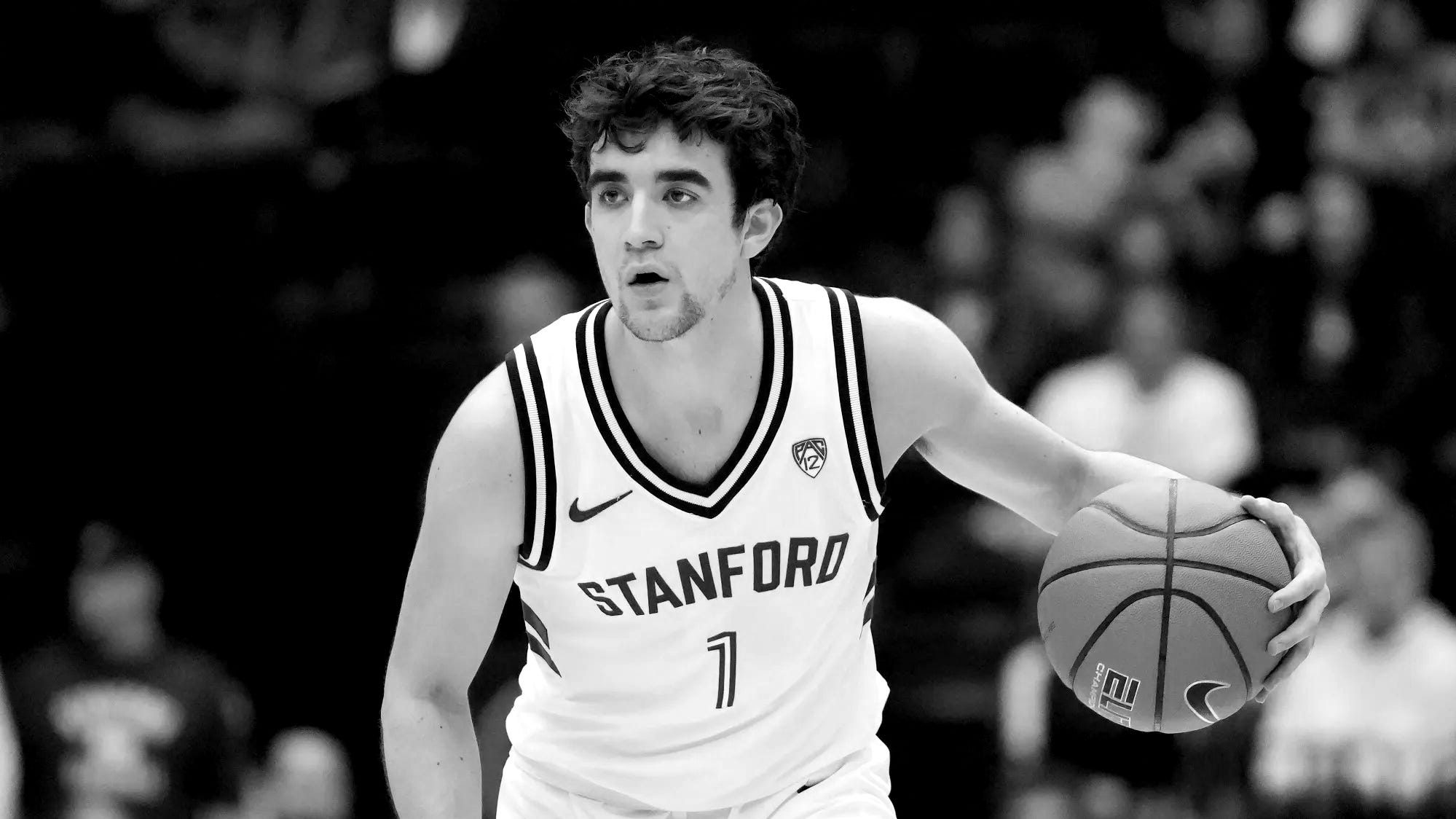
Ambition is all I’ve ever known.
From as early as I could remember, I’ve had a competitive nature that never turns off and is present in both small affairs like playing cards and board games and more important matters like academics and athletics. Naturally, this competitive nature meant that anything other than being the best was an unsatisfactory goal, with the north star being to play in the NBA.
While I played a few other sports including soccer when I was younger, the love I had for basketball consumed me and I immediately knew this was something I wanted to devote my entire life to. People always say to pursue a career that doesn’t feel like work because you enjoy it so much, and basketball fits this category perfectly.
While basketball had primarily been centered around joy and passion, going into 9th grade was when things got serious because this is when the global competition for a select number of highly sought-after Division I scholarships officially began. Knowing that I didn’t have outlandish size or freak athleticism, my success would solely depend on the refinement of my skills through consistent and diligent work. If I didn’t have 99th percentile playmaking, handles, and IQ, I would likely fall short of my goals.
But falling short simply wasn’t an option.
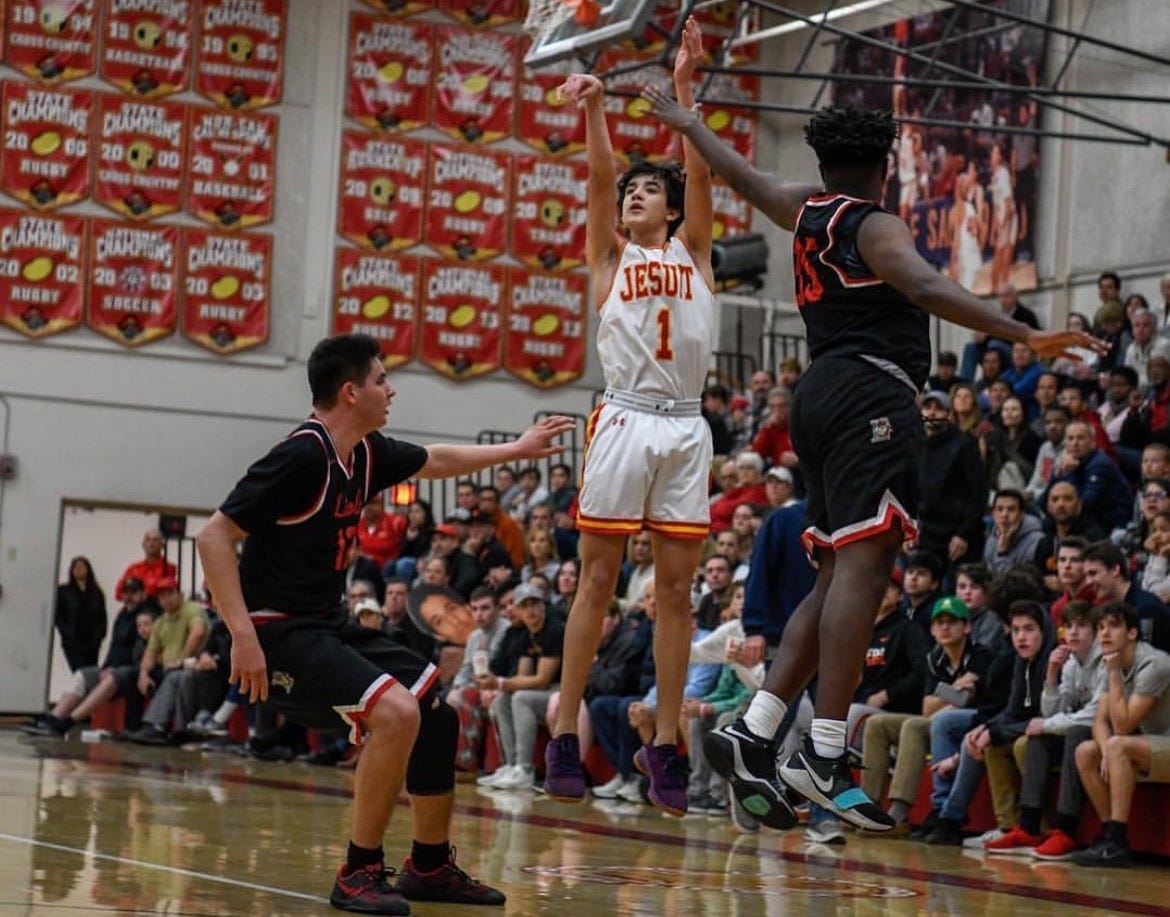
After a highly productive freshman season at Jesuit High in Sacramento, I received a few offers, including the first coming from Montana University and a high major offer from University of Utah.
While the excitement was undeniable, I told myself to not get complacent and continue working, because it was just the beginning. Over my 4 years at Jesuit, I continued to build and improve season after season, culminating in a junior campaign that included 19 PPG, 5 APG, and 4 RPG, enough to be the team MVP and first team All League while earning recognition as a top 50 player across platforms like 24/7 and ESPN.
The offers continued to pour in.
But like I mentioned earlier, my ambition told me I needed something more, a bigger challenge if you will.
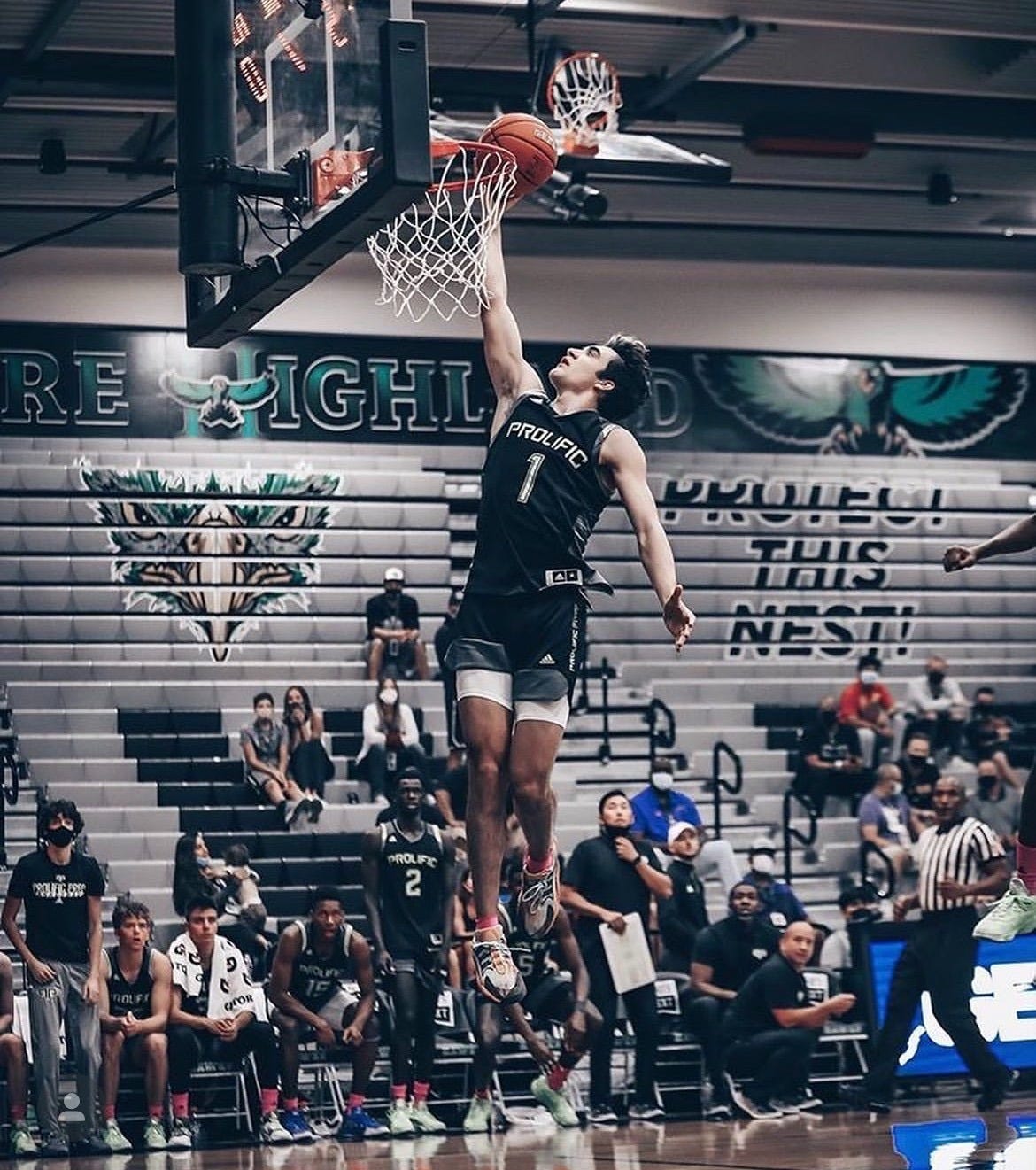
So I committed to play my senior year at Prolific Prep, the Bay Area based national powerhouse. The timing of COVID made it uncertain for many whether there would be a High School season or not. Since Prolific was a prep school it didn’t abide by California’s CIF regulations. Despite its recent founding in 2015, the program already boasts high level alumni like Josh Jackson, Gary Trent Jr, Jalen Green, and the #1 and #2 picks from this year’s draft, AJ Dybantsa and Darryn Peterson. It was a great opportunity to not only test myself against the best competition in the country but also compete on a much bigger platform to potentially reach another goal of mine: being a McDonald’s All American.
While I eventually fell short of this goal, I received a nomination to the event, which is an accomplishment in and of itself.
With my high school career coming to a close, I had to make the most important decision of my life up until that point. I had received offers from Arizona, Arkansas, Colorado, Texas, UCLA, Stanford, Vanderbilt, Gonzaga, Oregon, Xavier, USC, and other mid-major schools. While these were all great schools, with many of them being high level academic institutions also, my decision was easier than it seemed from the outside looking in.
There was only one school that had watched me play since the eighth grade, been supportive through all the ups and downs, was a perfect fit basketball wise, and was arguably the best academic school in the country: Stanford University. To make the decision even easier, I had a deep family connection with the school, as my aunt and five other cousins had either gone to Stanford or were attending at the time.
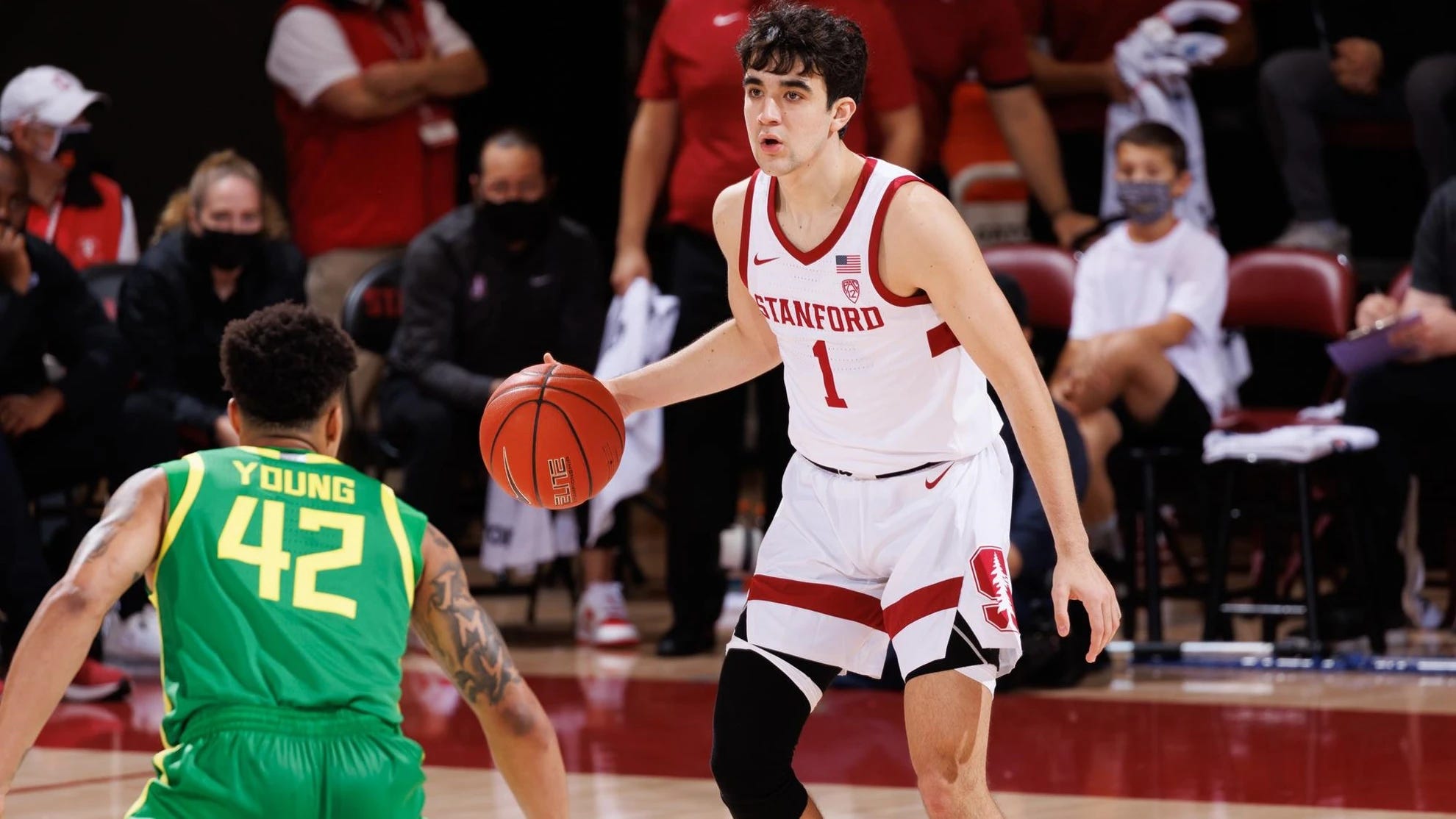
My basketball journey at Stanford had its ups and downs; there were times where my confidence was high and felt like one of the best guards in the Pac-12 and other times where frustration and injuries stripped that confidence away. I specifically had a wrist injury nag me for years but to be honest, my time at Stanford was a clear net-positive not only because I enjoyed my basketball experience but also because it opened me up to a whole new world.
As many know, Stanford is in the heart of Silicon Valley and the amount of creative ideas and talented people to bring those ideas to life is unbelievable. The idea of being a product of your environment is undeniably true, and being in that environment catalyzed my creative side as well. Not only do Stanford students and faculty embrace the start-up culture, but there is a real grandiose vision people have; the ventures or research that the Cardinals undergo is always with the goal to reach–specifically help–millions, if not billions, of people.
The reality is that Stanford didn’t give me the entrepreneurial itch but rather amplified the existing desire. It feels like just yesterday when I was reselling sneakers online in fifth grade, so it’s safe to say the business mindset was within me early on.
Although I traversed through universities during the transfer portal era to further my basketball career, the Palo Alto mindset never left me. After connecting with a recent Stanford graduate named Yahaya Ndutu, we immediately bonded over our love of sports, and we immediately agreed that the existing consumer sports apps could be improved in several ways.
Let’s rewind briefly.
During a period of time while I was hurt, we were playing against a specific player that I knew pretty well because he was a fellow high ranking California recruit that graduated in the same class as I did. We were in a drop, meaning when a screen is being set, the big man drops back inviting the guard to shoot a mid-range shot. I knew he loved to shoot floaters and I told myself that this coverage wasn’t a good idea against him and that we should probably switch coverages. Not only that, but I randomly thought to myself that I wouldn’t be surprised if he made four of them.
Sure enough, before the half was over, he’d made exactly four floaters.
This story was the original inspiration behind what Yahaya and I are building right now: HiaFan. We’re building a platform where fans can make their own custom predictions about any sport they choose and engage with other devoted fans in a unique manner. HiaFan provides key upgrades to the current prediction market space in several ways. Firstly, the customization of the predictions provides users with a much higher level of freedom to devise unique insights rather than choose from pre-selected options. Also, objectively speaking, the typical prediction market experience is a losing game for the average person. According to a recent analysis from the Wall Street Journal, 67% of the profits made on Polymarket went to 0.1% of players. Not 10% or 1% but 0.1%. Of the 1.6 million accounts studied, nearly 70% of them lost money. In other words, many sports fans end up losing money while more sophisticated institutional investors with informational advantages take home most of the winnings.
HiaFan solves this problem by erasing the need to put in capital and creating an entertaining and social environment where fans can benefit from their predictions being correct without “losing it all.”
After users make predictions about a specific statline, game, or season, they will be rewarded with points based on how “bold” it is, with AI assigning points based on each prediction’s respective probability of being successful.
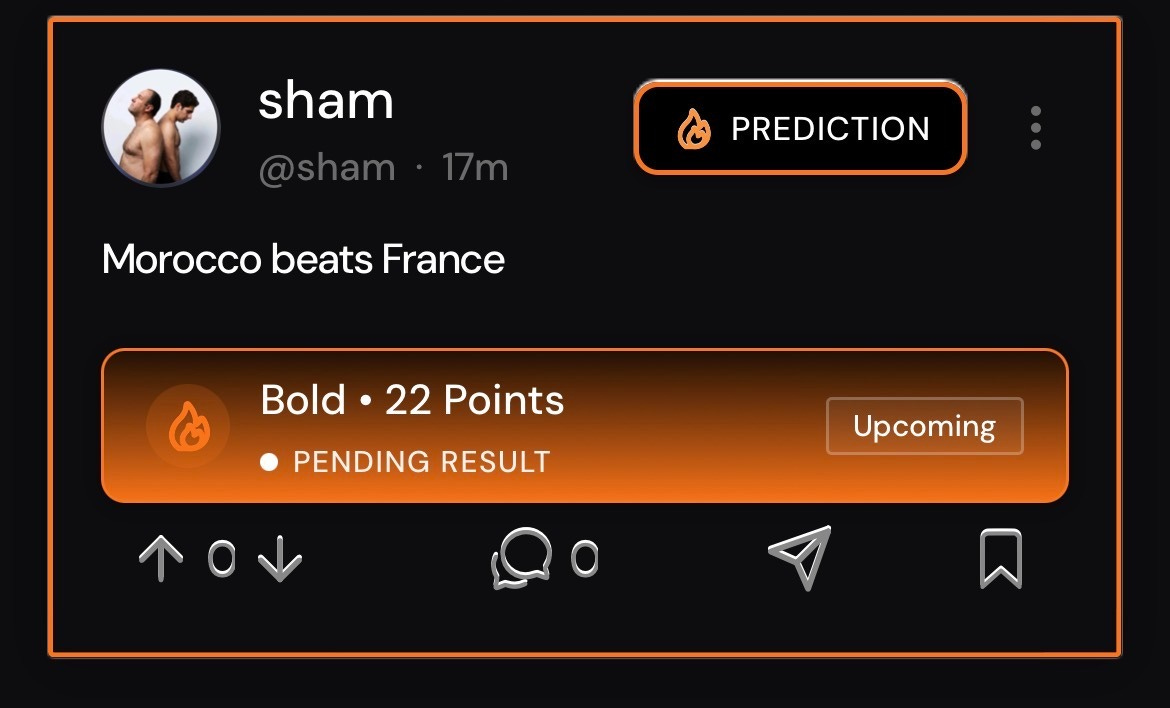
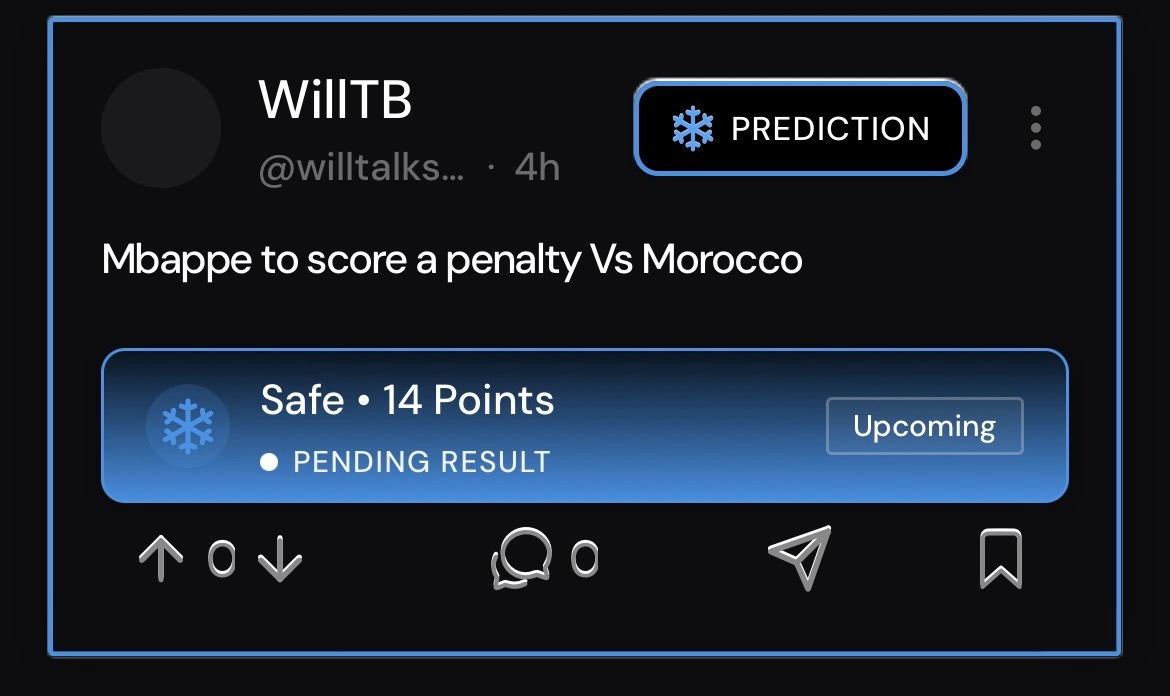
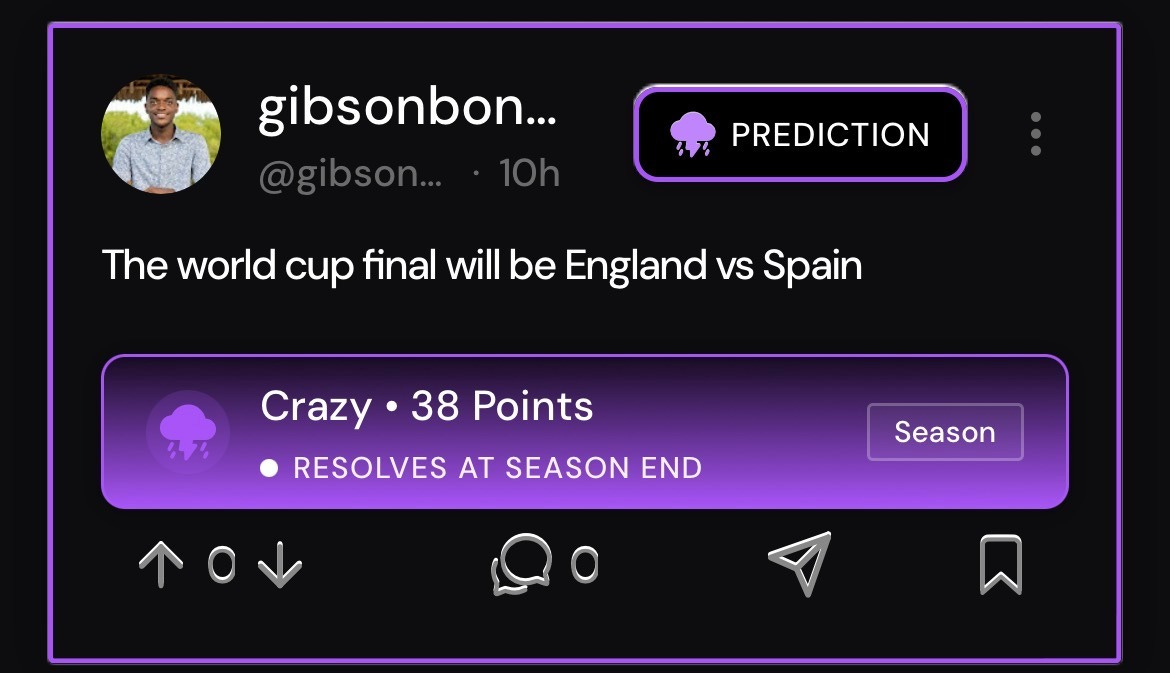
Although it was important to discard the betting aspect of the typical prediction market, I, as well as the users, love healthy competition, so there is a leaderboard to keep track of who has the most points. Those at the top of the leaderboard will receive sports-related prizes ranging from signed jerseys of the best players of different sports to tickets to your favorite sporting event.
While most of the posts will be predictions, users are free to post their thoughts, reactions, and anything related to a game, player, or sport, creating something of a sports-first social media component on top of the predictions.
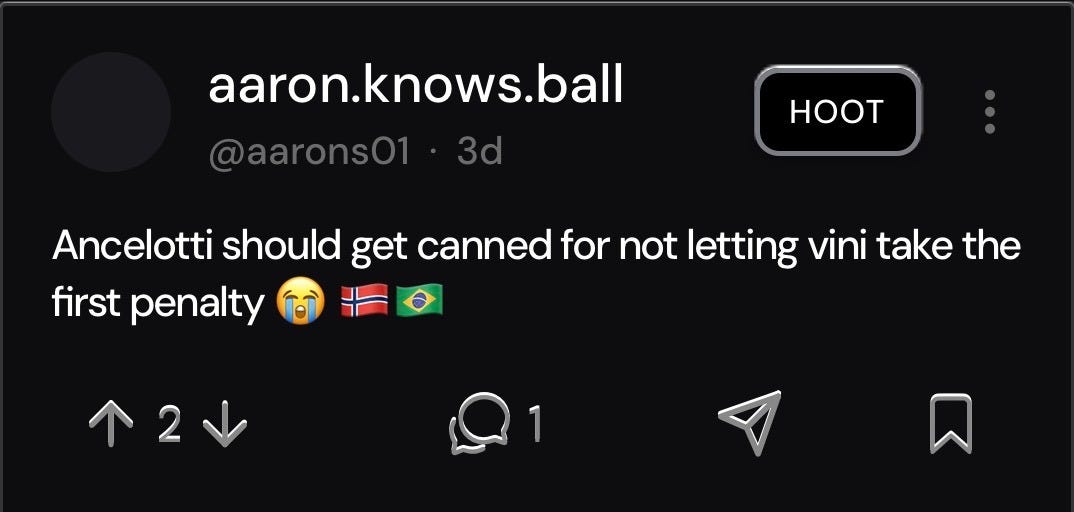
As we continue to build the product, there are a few things that are extremely important to us. The first is maintaining a constant iteration loop that is a combination of fixes Yahaya and I are seeing but also encouraging feedback from the users. Both of these aspects must work together because, using the analogy of a painting, the best outcome is creating an artwork that we enjoyed producing and think is valuable but also one that other people think is valuable as well. The end result will only be successful if both boxes are checked.
Another is our GTM strategy and our ability to execute it. The app is consumer facing so being able to get in front of potential users will be vital and given the demographics of our target, social media campaigns will be our bread and butter. We are in discussions with several large influencers–with most being in the sports space–to get these campaigns underway and we are being very selective with the people we are going to work with. Rather than viewing these potential partners as simply a marketing board for our product, we want to work with people that truly understand our product and the value it brings to the community and partner with them in a deep and profound way.
Lastly, the business model will be a major factor in the success of the company. Because of its great importance, we don’t want to rush to a decision too quickly, so we’ve been engaging in many conversations with our advisors and other thoughtful people in the industry to gather more information. Although there are a variety of options due to the unique nature of the HiaFan platform, we are highly bullish on the B2B2C model where we can serve as a connecting layer between sports brands and teams and their most devoted fans. Within this model, there is lots of flexibility but the consistent theme will be teams and brands paying for consistent access to their most loyal fans and significantly reducing their customer acquisition costs.
No matter which business model we decide on, the most important thing will of course be acquiring users to the platform. Just a few days after posting our launch video and about a week since launching the app, we acquired 500+ users with healthy levels of retention. There’s no doubt in my mind that we will continue to grow exponentially because of our product-driven mindset and social media savvy.
While we’re still early in the process, I still think about what success looks like down the road because people envision success for their companies in different ways.
For me, winning starts with the people.
Some of the best memories have come from having a blast with my basketball teams on and off the court, and I plan on continuing that same team mindset while building HiaFan. It will be challenging, but growing a real company that loves showing up to work everyday in an environment that is both serious yet fun will be the key to revolutionizing how people experience fandom, no matter how close they live to the team, their affiliation, or how much money they have.
At HiaFan, we’re trying to build something that not only lasts but will change the way that billions of sports fans interact with the game they love.
I know, it’s an ambitious goal.
But ambition is the only thing I know.
Isa
Isa Silva is the co-founder of HiaFan, a non-betting customized sports prediction market and social media app. He is also NCAA Division I basketball player at USF, formerly at Stanford and LBSU. To keep up with Isa and HiaFan, follow him on LinkedIn and Instagram, as well as his company’s LinkedIn and Instagram.