

At 18, Kyle Roig was the world’s #2 amateur golfer - a rising star whose talent would later carry her onto the LPGA and Ladies European Tour.
But two weeks after earning her tour card, her father died suddenly. And the loss shattered everything she had built her life around.
In the years that followed, Kyle’s relationship with golf changed. What had once been about trophies and rankings became about human connection and life experience. She found herself drawn not to conquering the game, but to sharing it. Today, she channels her love for the game into Luxe Golf Concierge, a company she built from scratch to redefine “luxury golf travel”.
Through Luxe Golf Concierge, Kyle curates immersive, high-touch golf experiences across the globe - from Scotland’s rugged coastlines to the private greens of Palm Beach. Her clients range from business leaders and corporate executives to real estate moguls and socialites, all seeking the rare feeling of being truly cared for.
In this Q&A, Kyle shares how she blended her skills on the golf course with her passion off it, carved out a niche in a competitive industry, and developed a unique brand with her obsession for great customer experience.
This Q&A has been lightly edited for clarity and length.
Most athletes spend years rebuilding their identity after sports. When did you realize your identity needed to expand beyond golf, and what triggered that shift?
Kyle: It happened in the most painful way possible.
I grew up playing golf in Puerto Rico, where my dad wasn’t just my father - he was my coach, my caddie, my manager, my biggest cheerleader. We were a team. He got me lessons with Chi-Chi Rodriguez, the first Puerto Rican inducted into the World Golf Hall of Fame. He moved our family to Florida, so I could train and compete at the highest level. Everything I achieved in golf, we built together.
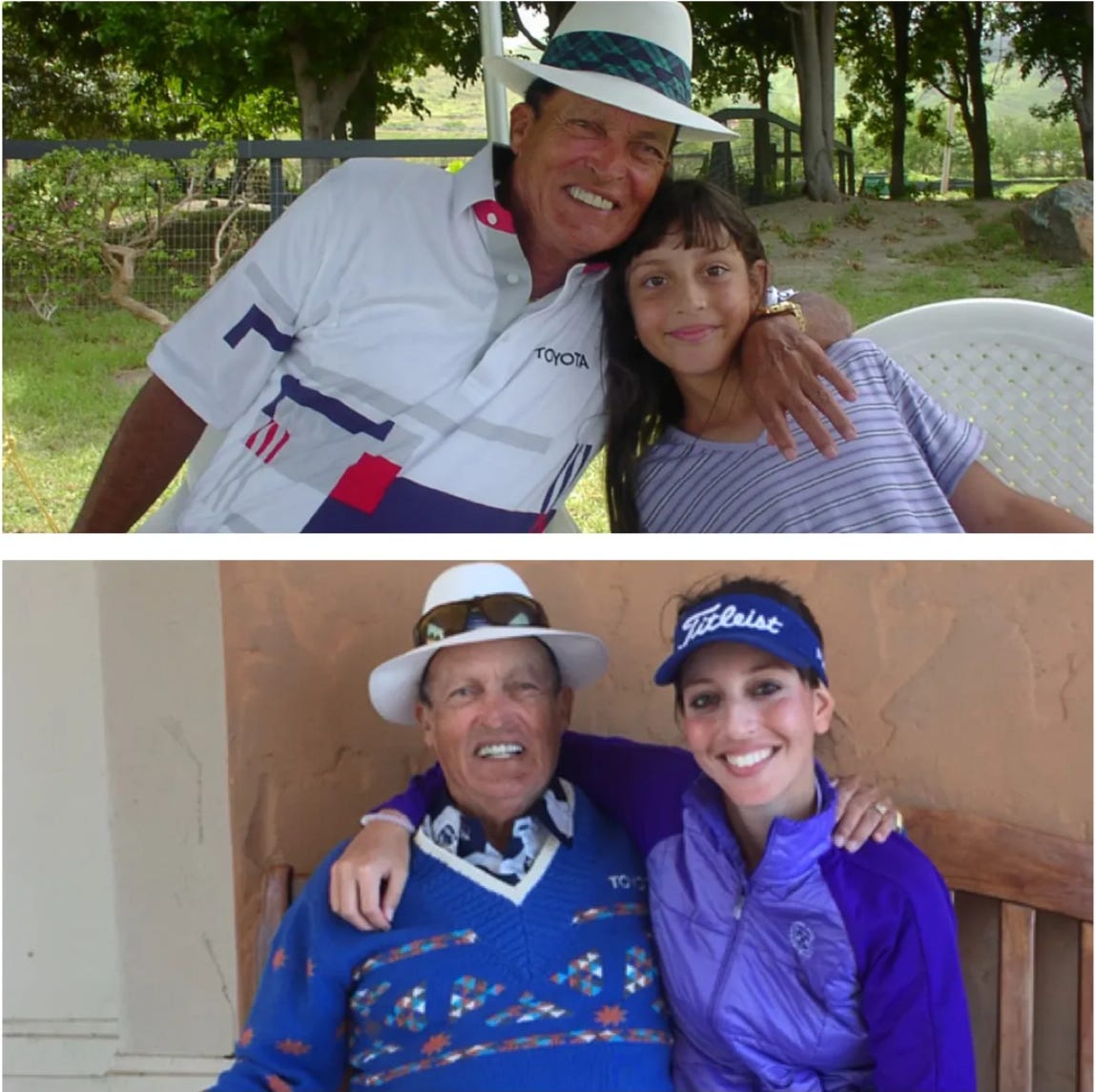
Two weeks after I got my tour card, he passed away suddenly. He was 54. I was completely dependent on him, and when he died, my world just shattered.
For months, I couldn’t step on a golf course without breaking down. I withdrew from tournaments. I cried during practice rounds. The sport that had defined my entire life suddenly felt empty.
Right before he died, my dad called me to tell me how proud he was that he’d resisted eating donuts because he was trying to stay healthy. And then he died the next day. I remember thinking, ‘He could have just had the damn donuts.’
It might sound trivial, but that haunted me. I started questioning why I’d sacrificed so much for rankings and trophies when life could end in an instant. My dad never got to enjoy the fruits of our hard work. His life experience got cut short.
I still loved competing. But even more, I loved the experience of the game itself. That’s when I realized I didn’t have to be just a professional golfer. I could create experiences that help others feel the same joy my dad and I once shared on the golf course.
How did you identify the opportunity in luxury golf travel, and what made you confident you were the right person to build it?
Honestly? It started as a favor.
I’d stopped competing professionally during COVID. I was teaching golf, but I felt restless, like I was treading water. One day, a friend called and said, ‘We want to do a girls’ golf trip. Can you plan it?’
I almost laughed. Like, sure - I’d been planning my own travel as a pro for years. How hard could it be?
So I put something together. Booked the golf courses, handled the logistics, made sure everything flowed. And they loved it. At the end of the trip, they were already asking, ‘Where are we going next year?’
That’s when I started digging around to see what else was out there. And I noticed almost every golf tour operator was catering exclusively to men. The experience, the marketing, the whole vibe - it was all aimed at guys.
I remember thinking, ‘Wait... women have money too. Women love travel. Women love shopping. Women love golf. Why is nobody doing this for women?’
And I realized I had a few advantages. First, I understood the game at an elite level having played professionally. Second, I’ve traveled to world-class golf courses across the globe. I knew which ones were worth the hype and which weren’t. But most importantly? I understood what women actually wanted from a golf trip. Not because I’d studied it, but because I was one of them.
It felt obvious once I saw it. This was the niche I could go after.
What was your biggest obstacle in those early days? How did you overcome it?
You know what’s interesting? The obstacle I expected to face, being a woman in a male-dominated industry, never really materialized the way I thought it would.
Don’t get me wrong, golf is absolutely male-dominated. And there were definitely moments where I’d walk into a golf club and someone would make a comment or assume I didn’t know what I was doing.
But the real challenge wasn’t convincing people that I knew golf. It was convincing them that, even with zero experience in this space, I could actually deliver.
“Credibility matters. The top 1% is a small circle. Word travels fast. If you do well, doors open. If you mess something up, it spreads, and you’re done.”
First, I started with my existing network - UCLA boosters and past sponsors. I didn’t ask them for investment. I asked them to take one trip with me. If they loved it, I knew they’d tell people. And they did.
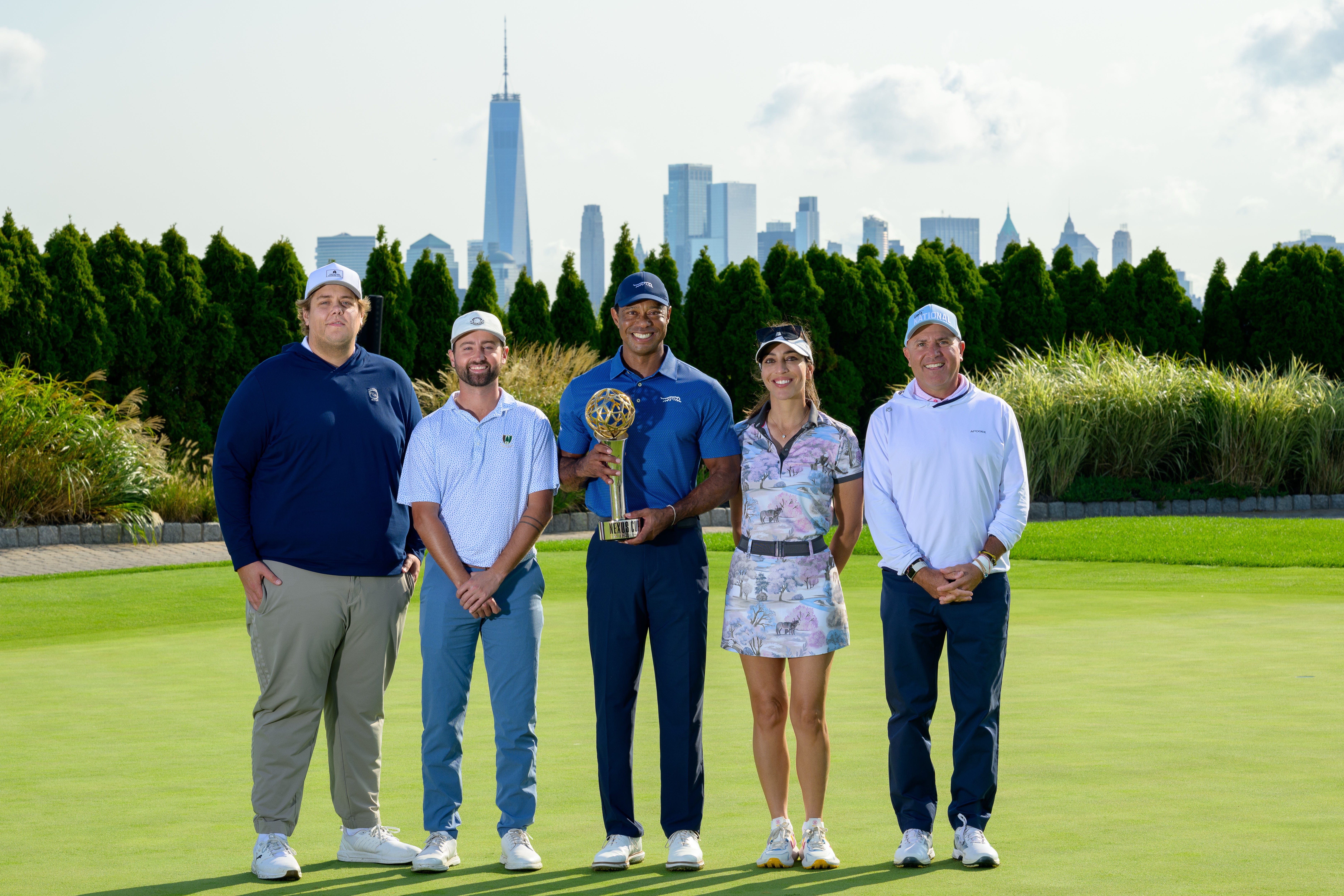
Second, I partnered with LPGA and started bringing professional golfers onto trips as hosts. Suddenly, it wasn’t just ‘Kyle plans trips’ - it was ‘Kyle works with pros to create exclusive experiences.’ That positioning set me apart from everyone else.
Third, I leaned into the fact that wives are the gatekeepers. I started by working with women’s groups, and once they trusted me, their husbands wanted in. Then their husbands’ business partners wanted in. People underestimate how much influence wives have. I didn’t have to sell to the men. I just had to deliver for their wives, and everything else flowed organically.
Fast forward to today, all ten of my 2026 open trips sold out within a week of announcement.
The word “luxury” gets thrown around a lot. How do you define it, and how do you deliver on that promise from start to finish?
“Luxury, to me, is about making someone feel human.”
My clients are typically the top 1%. They’re used to transactional relationships.
What I offer is the opposite. I want them to feel genuinely cared for, not just serviced.
That starts before you even book. If you email me a question, I respond immediately, not in three days. I’m learning about you from the first interaction: what you like, what makes you anxious, what you’re hoping to get out of the trip.
Then, when you’re actually on the trip, it’s all about the details.
If you mentioned you love whiskey, I’ve already arranged a private tasting at a distillery that’s not on any tourist map. If you don’t like early mornings, your tee times reflect that. If you’re traveling with someone who has dietary restrictions, I’ve already spoken to the chef.
I also include cultural experiences you won’t find on any standard itinerary: cooking classes with local chefs, visits to artisan workshops, private tours that give you the story behind the place.
And when something goes wrong, I fix it immediately. No deflecting, no ‘we’ll look into it.’ If a tee time gets messed up, I’m on the phone making it right. If the weather changes plans, I’ve already got a backup.
“Luxury isn’t just about the service you provide - it’s about managing the dynamics of the group itself.”
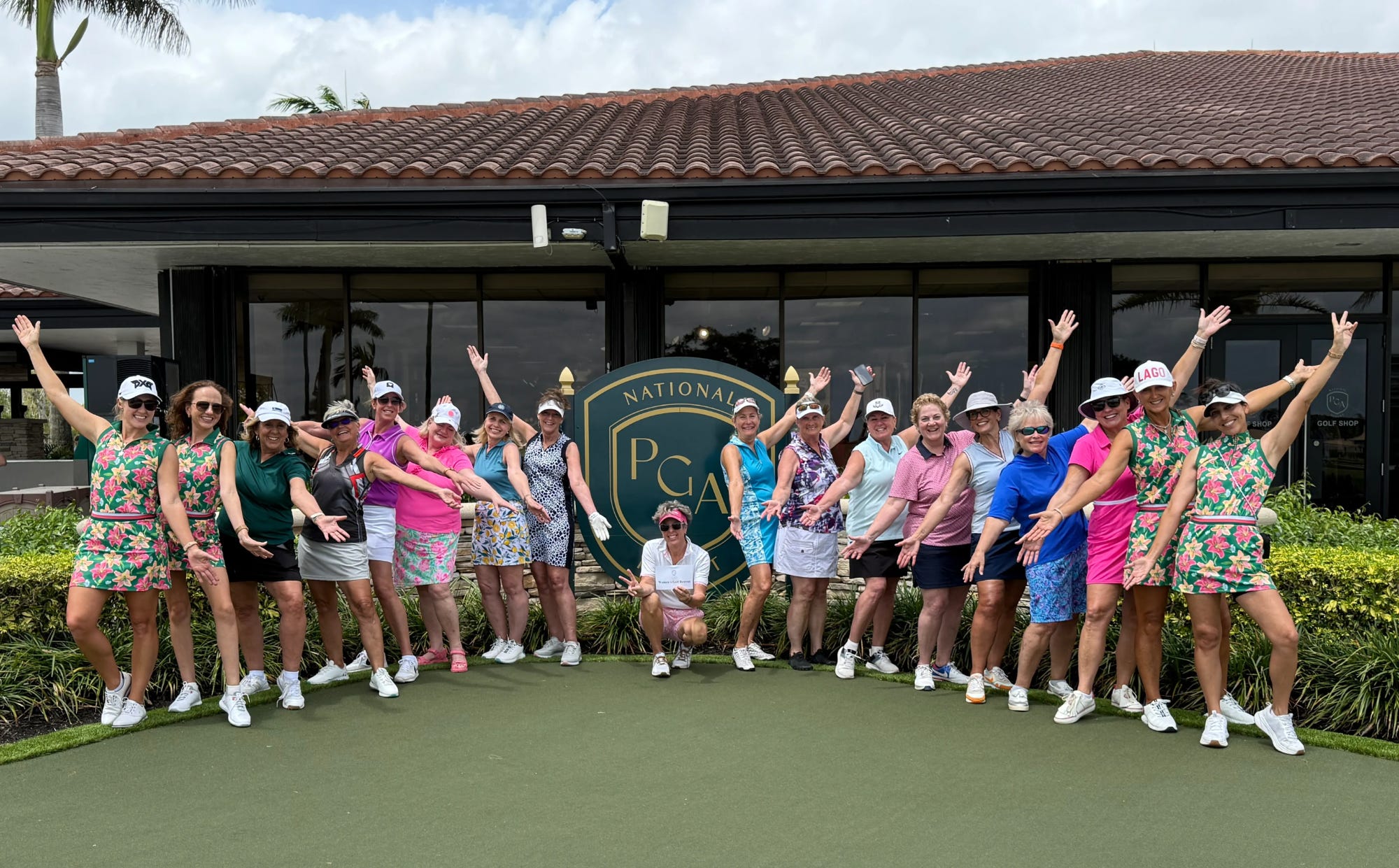
On my hosted trips, I’m often working with a large group of women. You’ve got the alpha CEO who’s used to running everything. The quieter woman who feels left out easily. The one who’s always running late. The one who thrives on a little drama.
My job is to read the room and make sure everyone feels included and comfortable. That means sometimes I’m firm - “If you’re late, I’m leaving without you, because everyone else’s time matters.” And sometimes I’m empathetic - I would pull someone aside for coffee when I can tell they’re having a tough day.
It’s a constant emotional juggling act. But that’s what separates a good trip from a great one. Anyone can book a tee time. Not everyone can create an environment where everyone feels cared for.
You don’t call yourself a travel agency or a golf tour operator. You also refuse to compete on price and have turned away billionaire clients. Walk me through the strategy behind these decisions.
Because I care more about quality than quantity. That’s my strategy.
Most companies in this space compete on access - ‘We can get you onto Augusta’ or ‘We have tee times at St. Andrews.’ It’s transactional. You book, you play, you leave. There’s no soul to it.
What I’m building is fundamentally different. When you join one of my trips, you’re also learning about the local culture, why the food tastes the way it does, why the golf course was designed with those particular contours. I want you to feel immersed, not just accommodated.
And yes, I turn away clients. I’ve said no to billionaires who could easily afford my services because their values don’t align with mine. In the world of the 1%, reputation is everything. If I work with someone who has a bad reputation, I become associated with that. And no amount of money is worth that.
You’ve mentioned being surrounded by successful clients who’ve shaped your approach. What are the most valuable lessons you’ve learned from them, and how have those shaped how you run Luxe Golf Concierge?
I’ve been incredibly fortunate to be around people who are much older and much more successful than me. I’m talking about men and women in their 60s, 70s, and 80s who’ve built empires, raised families, and now, have nothing left to prove.
I once played golf with an 82-year-old client who owns a massive real estate company in Miami. I asked him, ‘What’s your advice for building something that lasts?’
He said three things: be compassionate, be trustworthy, and be dedicated.
Simple advice, but it’s shaped everything I do.
Compassionate means having empathy. Sometimes my clients are going through stuff: health issues, family problems, work stress. Being compassionate means understanding that behind every successful person is still just a human being who needs to be cared for.
Trustworthy means you never screw people over, even when you could. There’s enough money in the world to go around. You don’t need to cut corners or cheat someone to get ahead. For me, that shows up in how I price things. I don’t mark up expenses just because I can. I don’t take kickbacks from hotels or golf courses that would compromise the quality of my trips. My clients trust that when I suggest something, it’s because it’s the best option for them.
Dedicated means you stick with one thing instead of chasing every opportunity. I could have expanded into other sectors. But I love golf. I love to help people experience what golf has to offer. So I’ve stayed focused on doing what I do best.
And here’s one lesson that has stuck with me throughout the years: people remember how you made them feel - not what you said, not what you sold them, but how they felt in your presence.
I learned that if you make people feel seen and valued, even in a two-minute interaction, they’ll never forget it. And in an industry built on credibility and reputation, that’s everything.
What’s next for you? What would make you look back 12 months from now and think, “That was the year everything changed”?
Expansion, but the right kind.
I want to create experiences that feel bigger than a trip - something people mark on their calendars a year in advance. Larger-scale events that bring people together around golf, culture, and giving back. You play over three or four days, there are side activities, and we can tie it to a charitable cause. The kind of annual tradition people look forward to all year.
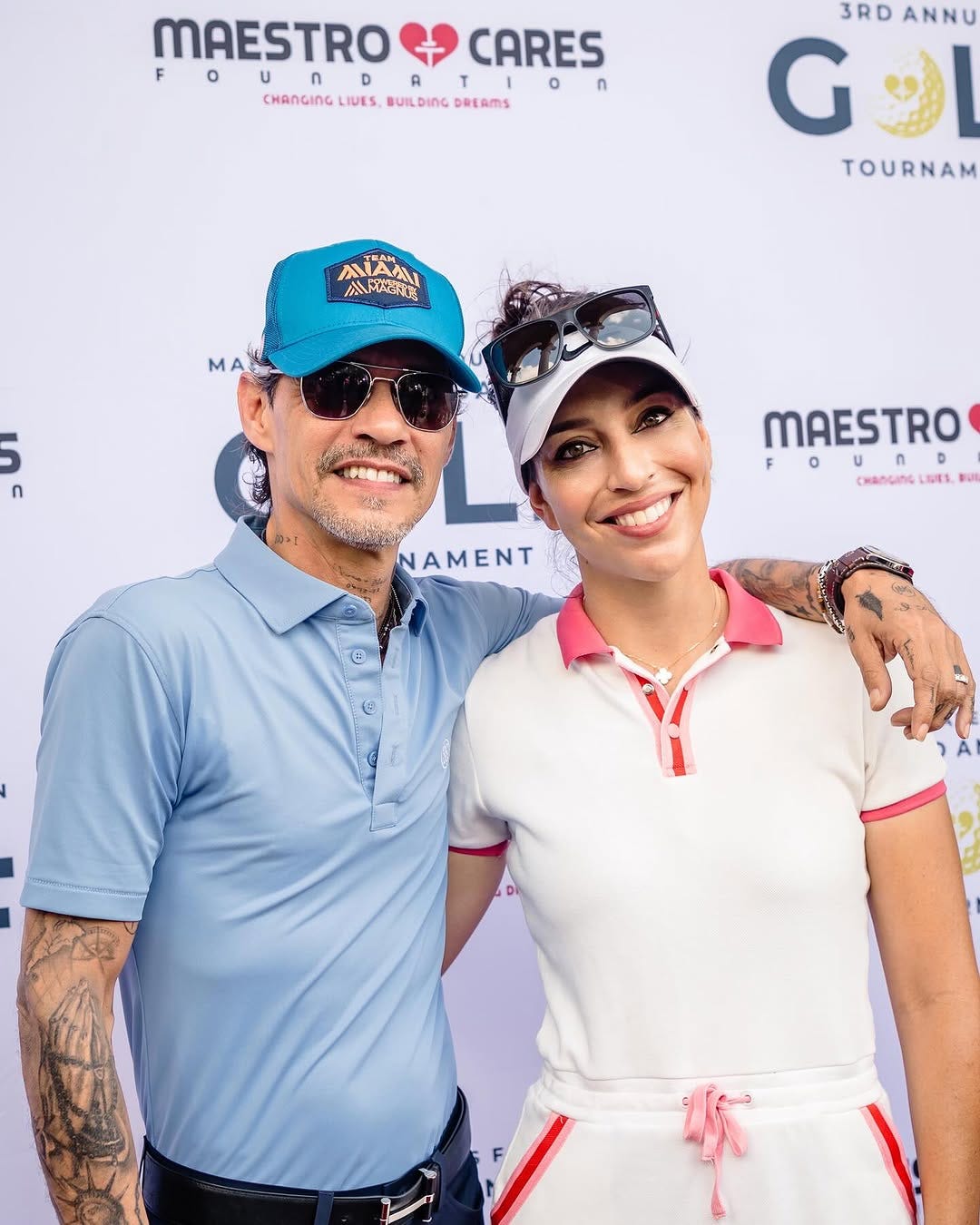
Right now, most of what I do is private groups or small open trips. But I believe there’s an appetite for something more communal, where people feel like they’re part of something bigger.
If I can create a handful of flagship events that people talk about year-round, that would be the game-changer. I want to build something that feels less like a business and more like a movement.
As someone who’s lived both sides, athlete and entrepreneur, what advice would you give young athletes who are planning their life beyond sports?
Focus on the people.
As an athlete, you’re around incredible people all the time. Sponsors, club members, even volunteers working at the golf course. A lot of athletes don’t realize how valuable those connections are because they’re so focused on the game.
Those relationships are your future network.
“The people I met during my playing days are the ones that guided me into a career I now enjoy.”
I’m still friends with firefighters and cops I met at pro-am events 10 years ago. I’m still friends with volunteers from the UCLA tournaments. Those people have taught me things, introduced me to people, and supported me in ways I never expected.
So my advice? Be curious. Be a sponge. Be someone people want to help. And stay in touch, because those relationships you build will shape your next chapter more than any business plan ever will.
Kyle’s not slowing down anytime soon. As we wrap up our conversation, Kyle mentions she’s currently on a mission to play all of the world’s top 100 golf courses - she’s at 41 and counting. For someone who once measured success in rankings and trophies, she’s found a better scorecard: the relationships built, the experiences shared, and a legacy her father would be proud of.
Want to follow along on her journey? Connect with Kyle on LinkedIn or Instagram, or visit her website to learn more about her work.
Check out more stories here:
Is C.J. Watson Building a Modern Day Berkshire Hathaway?

C.J. Watson earned millions during his decade-long NBA career. (Not bad for someone who went undrafted.)
Infiltrating Silicon Valley: How Chase Garbers Is Hunting Unicorns

At 26, most people are still figuring out how their 401k works. Chase Garbers? He’s now a wealth advisor at a $40 billion wealth management firm, advising individuals and families worth hundreds of millions on how to grow their wealth.