
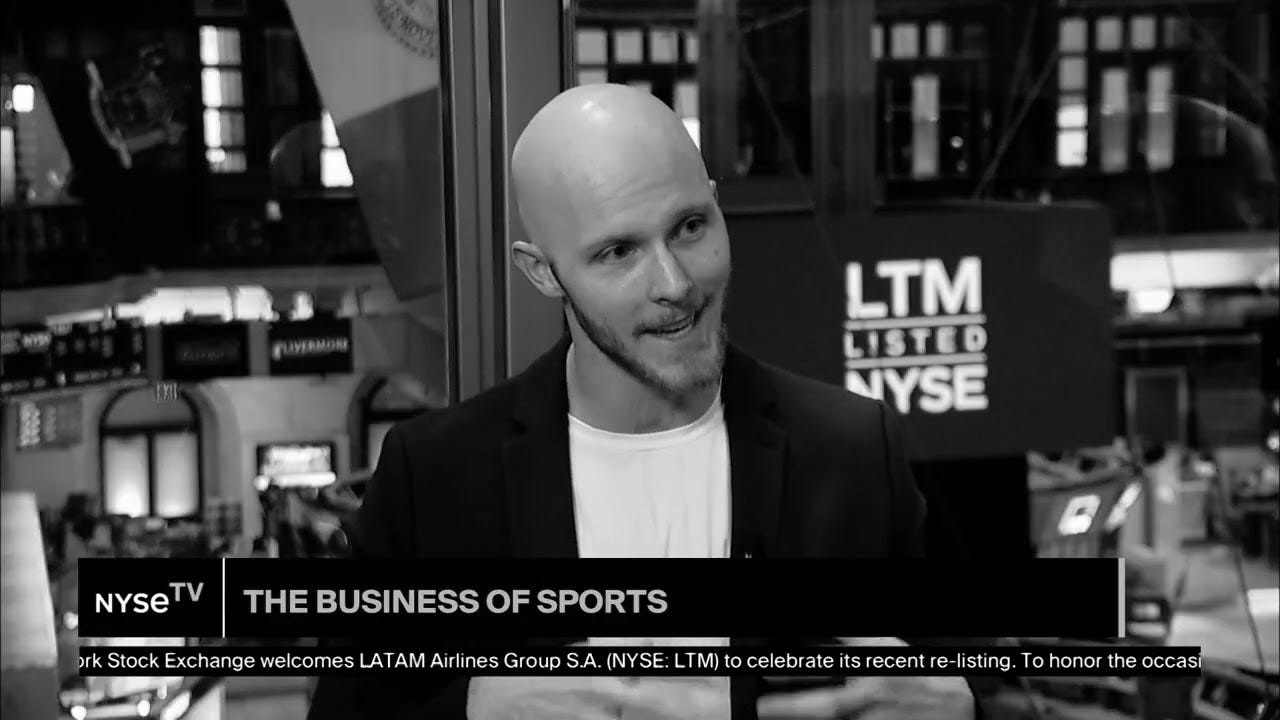
No one knows the business of college sports like Parker Graham.
The former undrafted Baltimore Ravens lineman commands attention when he walks into the room; at 6’8 with an athletic frame, no one looks at Graham and thinks of him as a startup founder.
But for the last seven years, Graham has been in the trenches building fintech products with Silicon Valley whiz kids. First, as the founder and CEO of Finotta, a digital banking startup that raised $3 million from one of his early customers. Now, as the founder and CEO of Vestible, a startup creating an investible asset class out of college athletic departments.
To say Graham is an expert on the current state of college sports business would be irreverence of the highest degree; he is an obsessive student of the game with no other interest. If you ask him about NIL donor sentiment, he will give you the ten year history lesson on how we got here. Drop him a question about how investors can make sports IRR add up and prepare for a masterclass in capital markets calculus. When it comes to the business of college sports, Parker Graham is a fearless competitor consumed with passion for value creation.
Naturally, when we wanted to understand more about the University of Utah deal, Parker was our first call.
Below is the edited transcript.
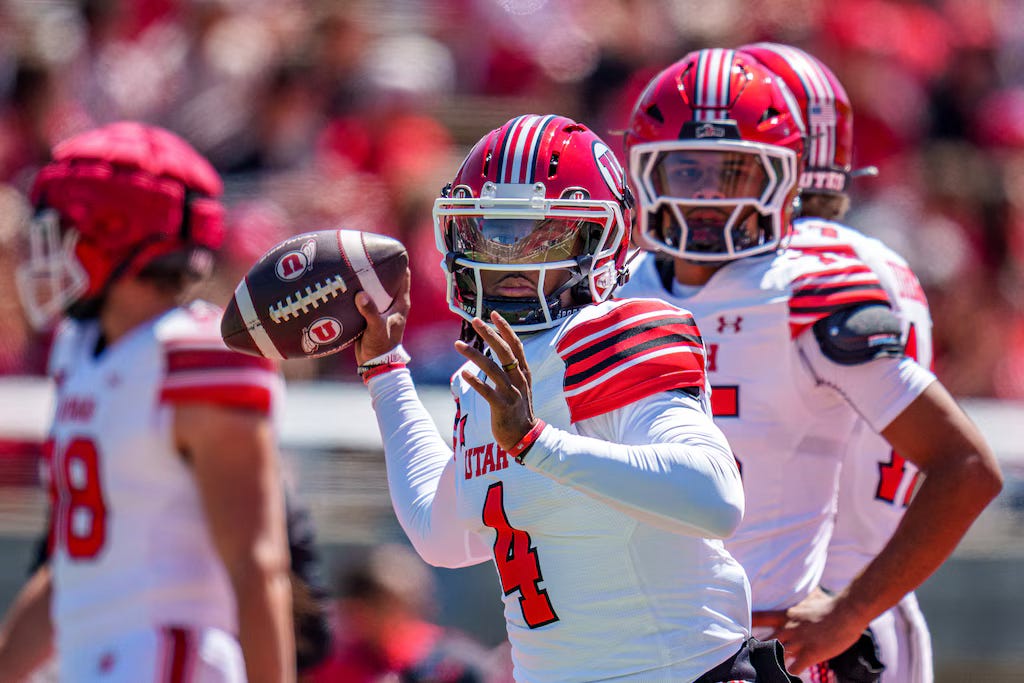
Utah, quite recently, announced a $500M landmark transaction that broke the seal for college sports deals. What was your reaction to the deal?
Parker Graham: I’ve been very blessed in the sense that I have a lot of insider access on not only the Utah deal, but other deals that are forming right now. The reported numbers for the Utah deal don’t make a whole lot of sense to be fully transparent. Just from a private equity math perspective, I think what’s been reported is a little bit obfuscated and I think that we’re probably going to get some more details around what the actual transaction was. The $500 million number, I don’t know if that’s actually a total number, or if it’s an achievable number like they’re going to scale up to that, or if it’s a combination of the directed capital that’s invested plus the growth that they think they’re going to achieve.
For $500 million they would need to be giving up roughly 45% of their revenue. Even with the seven-year time frame, I don’t know if you can get Utah to the revenue number that you would need to to make the money back and make your IRR with that transaction. Now, what I think they did a really good job of though, is giving donors access to that investment. That was genius. I really think giving donors, those long-term stakeholders, a seat at the table was the smartest move that they did. It’s what we’re doing at Vestible, right? So that’s totally in our ethos.
I think that was really smart because that gets buy-in. Now the donors are excited. Now the board of trustees is excited. I think you’re going to see that transaction get replicated in a lot of different ways. And also, you finally have a group that kind of broke the dam, right? I don’t think it’s an accident that the Big 12 immediately announced that they were going to be doing a deal with Weatherford Capital and Redbird. I would be willing to bet we’ll probably have six college sports deals within the first half of the year. And not just the revenue internally to the institution, but you’re going to see a lot of asset deals as well where stadiums are getting built and renovated through these private and public partnerships.
A lot of NIL discussions lately have been around “donor fatigue”. How real is donor fatigue and how much is it driving the search for alternative capital sources?
Parker Graham: You’re being asked to give more money into your school’s ecosystem, but there are only so many wins to go around. And so if you’re doing that and also Alabama’s doing that and Notre Dame’s doing that, eventually we have 12 teams that go to the playoff and that’s the 12 teams that go to the playoff. Over the last couple of years, that’s just gotten harder and harder because you’re asking not only for the same amount of dollars that that donor gave last year, but now you need more because, well, we didn’t win and we need more so that we can win. We didn’t win in basketball or football or baseball or whatever the sport is that you were trying to raise capital for.
Now that donor is looking at you like, well, I just gave you that money last time and it didn’t get us anything. You know, we didn’t even get to keep the player that I paid for. If you saw the Troy Aikman quote that came out last month, he was talking about the fact that he gave money to UCLA for a player and the player left and it’s like you get nothing in return for that. If you’re a business owner and you think in ROI terms, the ROI on that is zero. That’s really what donors are frustrated about. The donor model at the athletic department level just doesn’t work the same as it has over the last hundred years.
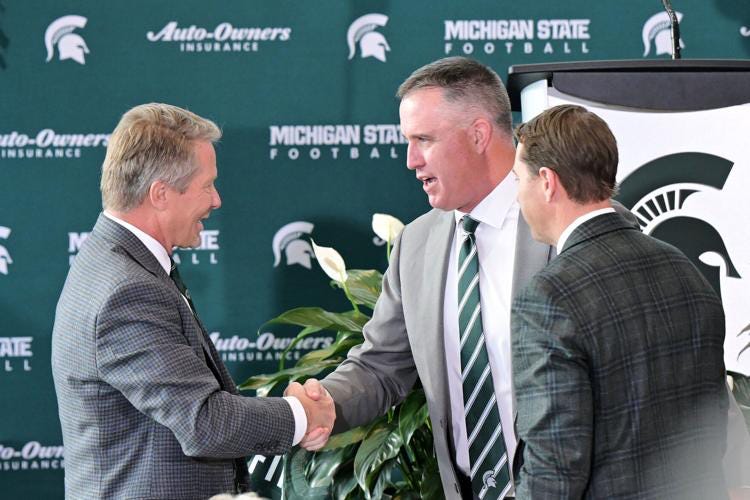
You have to create a new vehicle to generate the revenue that you need to put talent on the field, and it can’t just come from, you know, four check writers at your institution. Now, some schools are very blessed - Michigan State just raised $400 million from one donor. KU had David Booth who gave them $300 million. So, if you have those guys walking around, you’re actually okay. But 95% of schools don’t, and they’re beholden to those donors that they do have, and those donors are tired of not getting ROI. That’s why, moving back to private equity, these deals actually make sense to the donors; they’ve been giving money for really just a tax benefit at the end of the day.
They get a 37% reduction in their taxes for every dollar they donate. But now they’re going to get the 37% discount with their donor dollars, and, when they put investor dollars in, they’re going to be getting their investment returns as well. This is a brand new channel that we’re trying to open up at Vestible and that the Utah deal tried to open up in their transaction. This is an extremely viable path to creating sustainability in college athletics. You have the people who went to school there funding the school and getting returns from their funding. You’re still getting donor dollars because those folks still need donations. They still need the tax deduction, right? They still need the tax benefit. But by incorporating them in the actual investment stack on the equity side of the transaction, it’s incentivizing them to keep giving you more money because they’re getting ROI whether you win or lose.
When you think about ways to make the pie bigger in college sports, do you think tech companies could eventually get active in this media rights space?
Parker Graham: These giant corporations - Amazon, Twitter, Netflix - are looking for attention at all times. Where’s the only place where attention is 100% going to show up? On Sunday night, if you’re a Chiefs fan, you’re watching the game. On a weekday, if you’re a Knicks fan, if you’re not at the Garden, you’re going to watch the game. There’s no other media property in the world where that exists. And so I think it’s a natural next step for any of these attention driven platforms with plenty of cash on hand.
The economies of scale are just so much better there…Think of the younger demographic that the NBA and the NFL are trying to reach and what platforms they’re watching on. When you think about how to generate more value as a conference or as a team, it’s by doing something that nobody’s ever done. I would love to see the entirety of the G5 (AAC, MWC, C-USA, SBC, MAC) throw all of their their media rights together and do a massive deal with a tech company like YouTube where you have like 60 teams that are in a quote unquote conference and you’re just providing something so different than what you know the SEC is doing than what whatever anybody else is doing.
Shifting gears away from college sports, what do you think about the influx of emerging sports leagues?
Parker Graham: Unrivaled is a great example of an emerging league that seems to be a way better option than the WNBA purely because of how that league is constructed versus the WNBA. It’s just a better model. It is what it is. If you put all the players from the WNBA into Unrivaled, the WNBA will die because Unrivaled is clearly a better construct and built for this new century and this new viewership. The USL vs. the MLS is another great juxtaposition between leagues.
The USL is a completely different structure than what MLS is. MLS and NWSL have kind of copied the NBA and WNBA model… On the other hand, it seems like the USL is going to be really interesting over the next 10 years with their relegation and promotion structure, which the MLS doesn’t have.
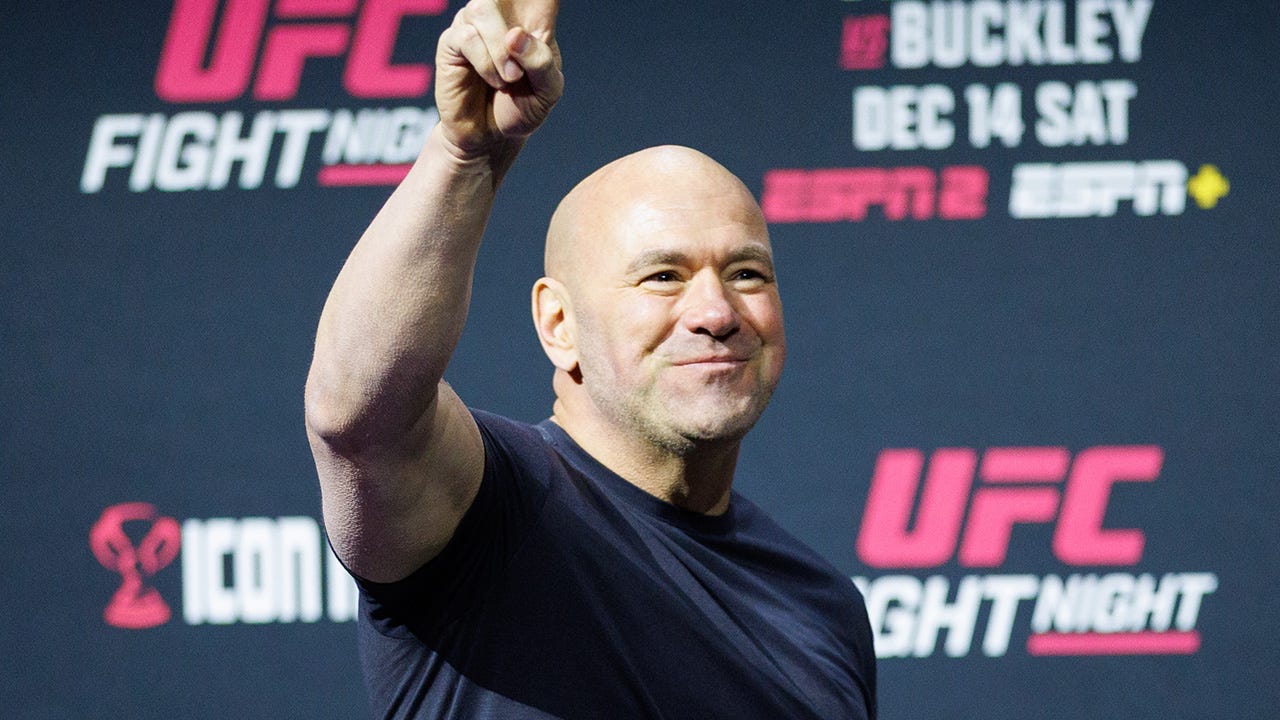
There are some actual startup leagues that I’m actually weirdly obsessed with like Power Slap from Dana White and RUNIT league, an Australian rugby type deal where it’s literally just two guys sprinting at each other. They take the most viral part of a game and monetize that over and over and over again. Instant eyeballs. You watch any of those videos, it’s like, oh my gosh, I can’t stop because it’s just so jarring. They knock each other out. Very similar concept to what Dana’s doing with Power Slap - capture attention and create unforgettable moments.
Anywhere that you can grab somebody’s attention and monetize that attention the moment that you have them, that’s valuable when done right. Getting back to your question, what you’re going to see is a lot of these a lot of these leagues start to develop and generate revenue because they grab attention way better than a 4-hour long baseball game did or a three-hour football game or, you know, a a regular season NBA game where really, unless you’re watching the Thunder right now, the NBA is not a great watch for three hours on a Tuesday.
What predictions do you have for 2026?
Parker Graham: Like I mentioned earlier, I think we’re definitely going to see six college sports private equity deals done. I hope we’re one of them. Even though we’re not technically private equity, I hope there’s a deal that takes place.
I think what we’ve seen this past year with parity in college athletics, because of revenue sharing, I think you’re going to continue to see teams like Vanderbilt, teams that are non-traditional powers dominate certain sports. Especially with men’s basketball and men’s football. I think you’re going to see a non-traditional power win the national championship next year in football… The parity is going to be at an all-time high.
Number three, there’s a lot happening with the NCAA right now from a public policy standpoint. There are three acts right now in Congress that are going to determine the future of college athletics. It’s the SAFE Act, the Score Act, the Protect Act, and there might be a fourth one now with the Restore Act. You’re going to see a massively impactful piece of legislation come out from Congress in 2026. I don’t know which one it’s going to be. I think all of them have pros and cons… But something’s going to come down from the federal government that’s going to rein in a lot of the chaos.
Keep up with Parker on LinkedIn, Twitter, or visit Vestible’s website to learn more.
This is a great example of operator thinking applied to a legacy system. Turning donors into stakeholders instead of guilt-based check writers changes the whole game. Seen this work in other industries too. 👊